

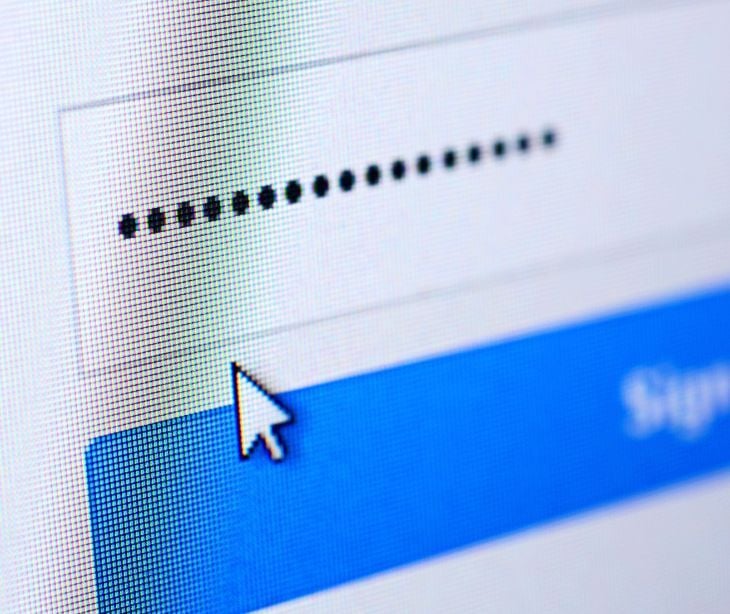
On February 12, 2024, attackers used a stolen username and password to log in to a remote access portal at Change Healthcare. Andrew Witty, chief executive of UnitedHealth Group, told the Senate Finance Committee in his written testimony that the Citrix portal, used to give staff remote access to desktops, didn't have multi-factor authentication. Ransomware was deployed inside Change Healthcare's systems on February 21.
Credential theft means obtaining the login details someone uses to reach a system, usually a username and password. Microsoft's 2025 Digital Defense Report found that identity-based attacks rose 32% in the first half of 2025, and that attackers get most of the credentials used in bulk attacks from leaks. Email is one of the main routes those credentials are stolen through, and an email account is often the first thing they unlock.
Phishing for passwords
The most direct method used by attackers is simply asking for passwords. A phishing email sends the recipient to a fake login page that looks like Microsoft 365, a payroll portal, or an electronic health record system, and whatever they type goes to the attacker. Some phishing kits go a step further and sit between the victim and the real login page, passing the password through and capturing the session token the actual site issues afterward. With that token, the attacker can use the account without needing the password or a second factor again.
Malware that collects logins automatically
Infostealers take a different route. These are malicious programs that run quietly on an infected computer and copy saved passwords, browser session tokens, and other account data, which criminals then use themselves or sell.
Microsoft's Digital Crimes Unit acted against one of the most widely used, Lumma Stealer, in May 2025. Microsoft identified more than 394,000 Windows computers infected with Lumma between March 16 and May 16 of that year. Under a court order, about 2,300 domains behind the malware were taken down, and the Department of Justice seized the control panel used to sell it. Microsoft gave an example of how it spread, a March 2025 phishing campaign impersonating Booking.com that delivered Lumma alongside other credential-stealing malware.
Reused passwords and guessing at scale
Credentials stolen from one service are routinely tried against others, a practice called credential stuffing. Password spraying works the other way round, trying a few common passwords across many accounts at once to avoid lockouts.
Microsoft reported that more than 97% of the identity attacks it observed were these large-scale password attacks. An employee who reuses a password from a breached personal account can hand an attacker a working login to their work email without ever clicking anything.
What one stolen login can reach
Change Healthcare shows how far a single credential can travel. According to Witty's testimony, the stolen login gave access to a remote access portal. From there, attackers moved through the company's systems and took data before deploying ransomware nine days later.
Email accounts carry their own exposure. A healthcare mailbox holds referrals, lab results, insurance details, and years of correspondence containing protected health information, and an attacker inside it can also send convincing messages to everyone the account normally writes to.
Controls that stop a stolen credential from working
Microsoft states that phishing-resistant multi-factor authentication can stop more than 99% of identity-based attacks, even when the attacker has the correct username and password. Phishing-resistant methods, such as physical security keys and passkeys, tie each login to the real website, so a fake page can't capture anything reusable.
HIPAA's Security Rule requires covered entities to verify the identity of anyone seeking access to electronic protected health information. HHS's proposed update to the rule would make multi-factor authentication a firm requirement rather than an implementation choice.
Email is where much of this starts. Paubox Inbound Email Security reads sender behavior and message intent to stop credential phishing before it reaches staff. Paubox Security Awareness Training runs simulations that record whether an employee went as far as entering credentials on a fake page, and both work alongside Paubox's HIPAA compliant email encryption.
What Microsoft found about hospitals and infostealers
Microsoft's report named hospitals, educational institutions, and local governments as the public-sector organizations most exposed to attack, citing their limited security resources. The same report identified infostealers as a growing entry point for cybercrime, spread through malicious advertising and through search results manipulated to rank harmful sites near the top. It also described how quickly stolen data moves once collected, noting that infostealers harvest credentials automatically and trigger follow-on attacks. A login taken from a home computer, a personal browser, or a fake travel booking page can surface later as the starting point of an attack on an employer's systems.
FAQs
What is credential theft?
Obtaining the details someone uses to log in to a system, typically a username and password and sometimes the session token a browser keeps after sign-in, so the attacker can use the account as if they were the owner.
How did attackers get into Change Healthcare?
According to UnitedHealth Group CEO Andrew Witty's Senate testimony, attackers used compromised credentials to access a Citrix remote access portal that didn't have multi-factor authentication, and ransomware followed nine days later.
What is an infostealer?
Malware that copies saved passwords, session tokens, and other account data from an infected computer. Microsoft found Lumma Stealer on more than 394,000 Windows computers in two months of 2025.
What is the difference between credential stuffing and password spraying?
Credential stuffing tries passwords stolen from one service against other services. Password spraying tries a few common passwords across many accounts at once.
What stops a stolen password from working?
Phishing-resistant multi-factor authentication, which Microsoft says can block more than 99% of identity-based attacks even when the attacker has the correct password.