

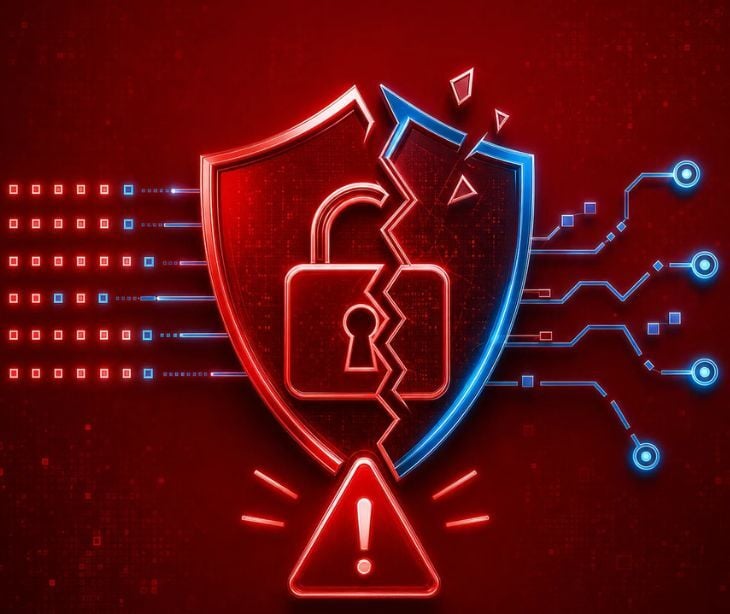
Prism Medical Products is notifying approximately 1.3 million individuals following a cyberattack that potentially exposed sensitive personal, financial and health information.
What happened
According to a November 20, 2026, report by BankInfoSecurity, Prism Medical Products, a US-based home medical supply provider and subsidiary of Henry Schein Inc., is notifying approximately 1.3 million individuals that their personal and sensitive health information may have been compromised following a cyberattack. The company is offering affected individuals complimentary credit monitoring and identity protection services.
Going deeper
The breach was discovered on October 19, 2026, after Prism Medical Products detected suspicious activity within its IT environment. The company launched an investigation with help from external cybersecurity specialists to determine the nature and scope of the incident. The investigation revealed that an unauthorized third party gained access to portions of the company's network and may have accessed and exfiltrated files containing sensitive information. The exposed information varied by individual and may have included personal identifiers, contact details, medical and clinical information, health insurance information, financial account details, and government-issued identification numbers.
In response to the breach, Prism took steps to contain the incident, including shutting down affected internal servers, disabling remote access, resetting credentials, and disabling certain management and service accounts. The company also rebuilt affected systems in a separate environment using trusted backups.
While the company has not publicly confirmed whether ransomware was involved, reports indicate that the cybercriminal group Wall Street may have claimed responsibility for the attack. However, this attribution remains unconfirmed. The incident affected approximately 1,326,066 individuals.
What was said
According to BankInfoSecurity, Prism Medical Products confirmed it took immediate steps to contain the incident and restore its IT environment. In its breach notification, the company stated, “We immediately took affected systems offline and rebuilt them in a new, separate environment using trusted backups.” Prism also confirmed that it had disabled remote access, reset credentials, and disabled certain management and service accounts. Following these measures, the company stated, “We believe our environment is safe and secure, and our operations are functioning properly.”
However, the extortion group Wall Street claimed responsibility for the attack on its dark web leak site, alleging that it was publishing the stolen data. Neither Prism nor its parent company, Henry Schein, immediately responded to BankInfoSecurity's request for further details about the incident.
The bigger picture
The Prism Medical Products breach is the latest in a series of cyber incidents targeting healthcare organizations and exposing sensitive patient information.
In October 2026, Quest Diagnostics confirmed a cyberattack involving its Quanum Lab Services Manager platform, which healthcare providers use to order laboratory tests and access patient results. The company disclosed that unauthorized individuals had accessed certain patient records, including personal information and protected health information. The number of affected individuals has not yet been established.
Similarly, Sunnybrook Health Sciences Centre disclosed a cyber incident in November 2026 after discovering unauthorized access to part of its network. The investigation confirmed that data, including personal health information, had been stolen. The organization engaged external cybersecurity specialists and implemented containment measures while working to identify affected individuals.
Another notable incident involved McKesson, which confirmed in September 2026 that an unauthorized individual had accessed third-party applications and stolen data affecting a subset of customers in its oncology, multispecialty and medical-surgical businesses. The company said its operations and distribution network remained functional following the incident.
These incidents show the growing cybersecurity challenges facing healthcare organizations, medical suppliers, and technology providers. As these organizations rely on interconnected systems and third-party applications to manage patient information and deliver services, a security incident can expose sensitive data across multiple parts of the healthcare ecosystem. Strengthening access controls, monitoring third-party environments, and providing regular security awareness training remain important measures for reducing these risks.
See also: HIPAA Compliant Email: The Definitive Guide (2026 Update)
FAQS
Why are healthcare organizations attractive targets for cybercriminals?
Healthcare organizations manage large volumes of sensitive personal and medical information, which can be valuable to cybercriminals. They also rely on interconnected systems to support patient care, making service disruptions particularly damaging.
How can healthcare organizations prevent data breaches?
Healthcare organizations can reduce their exposure to cyber threats by implementing multifactor authentication, enforcing access controls, regularly monitoring network activity, maintaining secure backups, assessing third-party risks, and providing ongoing cybersecurity awareness training.
What is the role of security awareness training in preventing healthcare data breaches?
Security awareness training helps employees recognize phishing attempts, suspicious communications, social engineering, and other common cyber threats. It also reinforces secure data-handling practices and encourages employees to report suspicious activity promptly.