

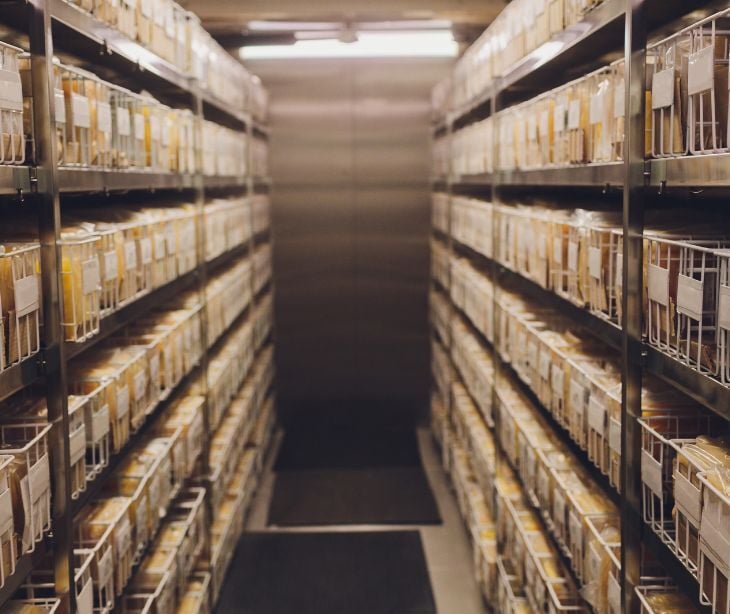
The warning follows attacks in Europe that raised temperatures in supermarket freezers and in cold rooms holding blood products.
What happened
The FBI and CISA, together with the Departments of Health and Human Services, Agriculture, and Transportation, warned on November 5, 2026, that attackers are actively targeting industrial refrigeration and cold-chain monitoring systems worldwide. Cold chain refers to the equipment that keeps temperature-sensitive goods, such as blood, vaccines, and medicines, within safe limits from storage to use. The joint advisory said attackers are exploiting weaknesses in unpatched or internet-accessible electronic temperature controllers and commercial refrigeration management systems. It urged operators in healthcare, food production, chemical facilities, and transportation to secure them. Hospitals, blood services, and pharmacies rely on the same kinds of remote temperature controls to protect supplies that can't be replaced quickly.
Going deeper
The controllers let operators monitor temperatures remotely, manage defrost cycles, and control cooling equipment, according to BleepingComputer's report on the advisory. The agencies said attackers may use flaws that let them skip login checks or run their own code, or weak settings, to change temperatures and force equipment into continuous heating or defrost cycles. Successful attacks can cause inventory losses, shorten equipment life, create fire hazards, and leave storage conditions unsafe. Attackers may also hide current temperatures from operators so problems go unnoticed. The warning followed attacks on an estimated 250 to 350 French supermarkets in October and a second wave in November affecting more than 115 stores across six European countries, some with temperatures raised as high as 50°C (122°F).
What was said
"Every organization that depends on refrigeration and monitoring systems should assume it could be a target," said Chris Butera, CISA's acting executive assistant director for cybersecurity, as reported by BleepingComputer. The agencies urged organizations to remove refrigeration controllers from the public internet, secure any remote access that is needed, change default passwords, and apply available security updates. They also recommended separating these systems from business networks and setting safe temperature limits so controllers can't be pushed outside acceptable ranges.
In the know
The European attacks reached a blood service. On November 2, one of the refrigeration suppliers to the French Blood Establishment, France's public blood bank, was hit by a cyber incident that raised temperature and defrost thresholds to very high levels in some cold storage rooms holding blood products, BankInfoSecurity reported. An on-call technician noticed the temperature rise. The blood bank said affected equipment was brought under control or shut down without affecting products, which were moved to other facilities as a precaution. Who is behind the European attacks remains uncertain, and researchers have cautioned against assuming they form a single campaign.
The big picture
The blood bank incident shows that hospitals' cold storage depends on the same remotely managed controllers attackers have been changing in Europe, and the federal advice focuses on getting that equipment off the internet and replacing what can no longer be fixed. The agencies urged organizations to remove remote control systems from the internet, strengthen passwords, apply patches where possible, and retire equipment the vendor no longer supports, TechCrunch reported. Some of the affected units in Europe were made by a company that had stopped providing security updates for them. Refrigeration controllers are often managed by facilities teams or outside contractors rather than IT, so hospitals can start by finding which pharmacy, lab, and blood bank units are reachable remotely and who is responsible for updating them.
FAQs
What is the cold chain?
The equipment and processes that keep temperature-sensitive goods, such as blood, vaccines, and medicines, within safe limits from storage to use.
What can attackers do to refrigeration systems?
Change temperature settings, force continuous heating or defrost cycles, and hide current temperatures from operators.
Were patients harmed in the French blood bank incident?
No harm was reported. A technician noticed the temperature rise, and products were moved to other facilities as a precaution.
Who is behind the attacks?
It's not known. Researchers have cautioned that the incidents may not be a single campaign.
What should hospitals do?
Take refrigeration controllers off the public internet, change default passwords, apply updates, separate them from business networks, and retire unsupported equipment.