


.svg)
.svg)
.svg)
.svg)
.svg)
.svg)
.svg)
.svg)
.svg)
.svg)
.svg)
.svg)
.svg)
.svg)
.svg)
.svg)
.svg)
.svg)
.svg)
.svg)
.svg)

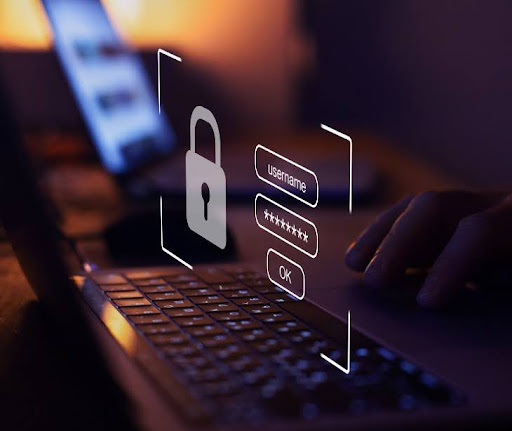
The problem with portals
Many healthcare organizations rely on patient portals to send encrypted messages, assuming they improve security. But while portals may protect PHI, they also introduce barriers that decrease patient engagement, slow down response times, and make business operations less efficient.
If a patient never logs in, they never see the message. If employees waste time troubleshooting login issues, productivity suffers. What’s the point of secure communication if no one reads the messages?
Read more: The risks of using patient portals for email security
The impact of lower read rates
Emails sent through patient portals often go unread because of login friction. Patients must:
- Receive an email notification.
- Click a link to the portal.
- Enter a username and password.
- Navigate to the secure message.
Each step adds resistance. Studies show that at least 20% of patients do not log into portals when prompted. That means up messages go unread, delaying care and reducing patient satisfaction.
When important messages don’t get through, providers waste time following up, resending information, or calling patients directly—all of which slow down operations and increase costs.
Read more: How HIPAA compliant email improves the patient experience
How portals disrupt efficiency
It’s not just patients who suffer—healthcare providers and administrators also spend unnecessary time dealing with portal-related issues. Common complaints include:
- More IT support requests – Patients and staff often forget their passwords, requiring frequent resets.
- Inefficient workflows – Employees have to manually upload and send messages through the portal, rather than using their normal email workflow.
- Delays in decision-making – If a provider sends test results via a portal and the patient doesn’t see them for days, scheduling treatments gets delayed.
Portals were designed with security in mind, but they weren’t built for speed, efficiency, or ease of use.
Read more: Why email encryption is a better solution for HIPAA compliance
A better way: Automatic, encrypted email
Paubox eliminates the inefficiencies of patient portals by encrypting every email automatically, allowing patients to receive secure messages directly in their inbox—without extra logins or portals.
With Paubox, healthcare organizations can:
- Increase read rates – Patients receive and open secure messages like any other email.
- Speed up response times – No logins or extra steps mean faster communication.
- Reduce IT workload – No more troubleshooting access or resetting passwords.
Paubox integrates seamlessly with Google Workspace and Microsoft 365, ensuring every email meets HIPAA encryption requirements while maintaining a frictionless experience for both senders and recipients.
The bottom line
Patient portals were built for security, not efficiency. While they may meet HIPAA requirements, they also decrease email engagement, slow down business operations, and frustrate both patients and staff.
Paubox eliminates these issues by providing seamless, automatic email encryption that allows patients to read messages without logging into a portal. If your organization is struggling with unread messages, slow response times, or IT headaches caused by portal-based communication, it’s time for a smarter, more efficient solution.
