


.svg)
.svg)
.svg)
.svg)
.svg)
.svg)
.svg)
.svg)
.svg)
.svg)
.svg)
.svg)
.svg)
.svg)
.svg)
.svg)
.svg)
.svg)
.svg)
.svg)
.svg)

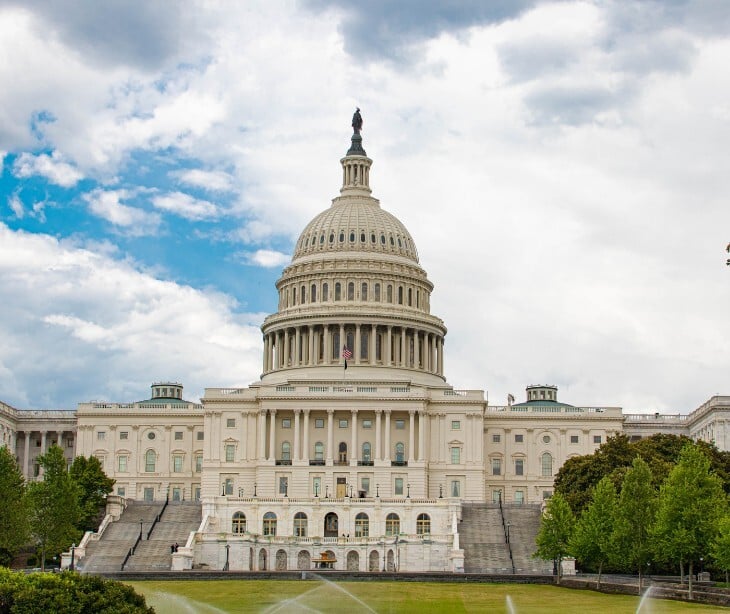
A new federal cybersecurity strategy preemption and deterrence as core elements of defending US networks.
What happened
The administration of Donald Trump released a Cyber Strategy for America outlining a more assertive approach to cyber threats, combining stronger defensive measures with deterrence and offensive cyber capabilities. According to Dark Reading, the strategy treats cybersecurity as a technical issue and as a geopolitical domain where the United States tries to maintain technological and operational dominance. The strategy was issued alongside an executive order targeting transnational cybercrime groups involved in activities such as ransomware, phishing, and financial fraud. The order directs the creation of a new operational unit within the National Coordination Center to coordinate federal efforts to detect, disrupt, dismantle, and deter foreign adversaries targeting U.S. individuals and infrastructure.
Going deeper
The strategy is organized around six policy pillars that address what the administration describes as major cybersecurity priorities. One pillar focuses on identifying and disrupting cyber adversaries before they gain access to U.S. networks, with greater collaboration between the government and the private sector. Another proposes reducing regulatory barriers so organizations can respond to cyber threats more quickly. The plan also prioritizes modernizing federal systems through technologies such as zero-trust security models, post-quantum cryptography, cloud infrastructure, and artificial intelligence-driven security tools. Additional pillars focus on protecting infrastructure, including hospitals, energy systems, and telecommunications networks, securing emerging technologies such as AI, and expanding the cybersecurity workforce through training and investment.
What was said
According to Dark Reading, the cybersecurity strategy is intentionally broad rather than highly prescriptive. One expert described it as “a statement of posture and priorities, not an implementation playbook,” adding that it represents “a meaningful departure from more prescriptive strategies issued by prior administrations.” Another analyst said the document stresses acting earlier against attackers, noting that previous approaches “often focused on resilience, coordination, and building longer-term frameworks for cyber defense,” while the new strategy is “more direct about getting ahead of adversaries before they achieve their objective.”
The big picture
Government strategies now treat cybersecurity as part of national security policy rather than only a technical issue. Research from the Atlantic Council’s Cyber Statecraft Initiative says many governments are expanding offensive cyber capabilities and deterrence strategies as geopolitical competition in cyberspace grows. Analysts say national cyber strategies combine defensive resilience measures with policies designed to disrupt adversaries before attacks reach domestic networks, reflecting how cyber operations are now closely tied to diplomacy, intelligence gathering, and military planning.
FAQs
Why does the strategy emphasize preemption in cybersecurity?
Preemption focuses on identifying and disrupting adversaries before they gain access to networks, rather than responding only after an attack has occurred.
What part does the private sector play in the strategy?
The document encourages companies to help identify and disrupt adversary infrastructure and recognizes that organizations cannot defend against nation-state actors without government coordination.
How does the strategy address infrastructure?
Operators of systems such as hospitals, energy grids, financial services, and telecommunications networks are encouraged to reduce reliance on technology supplied by adversarial nations and strengthen defensive controls.
What technologies are prioritized for federal network security?
The strategy calls for the adoption of zero-trust architectures, artificial intelligence security tools, post-quantum cryptography, and expanded use of cloud computing.
Why do analysts say the strategy is less prescriptive than previous plans?
Experts note that the document outlines policy direction and priorities but provides fewer detailed implementation steps compared with earlier national cybersecurity strategies.
