


.svg)
.svg)
.svg)
.svg)
.svg)
.svg)
.svg)
.svg)
.svg)
.svg)
.svg)
.svg)
.svg)
.svg)
.svg)
.svg)
.svg)
.svg)
.svg)
.svg)
.svg)

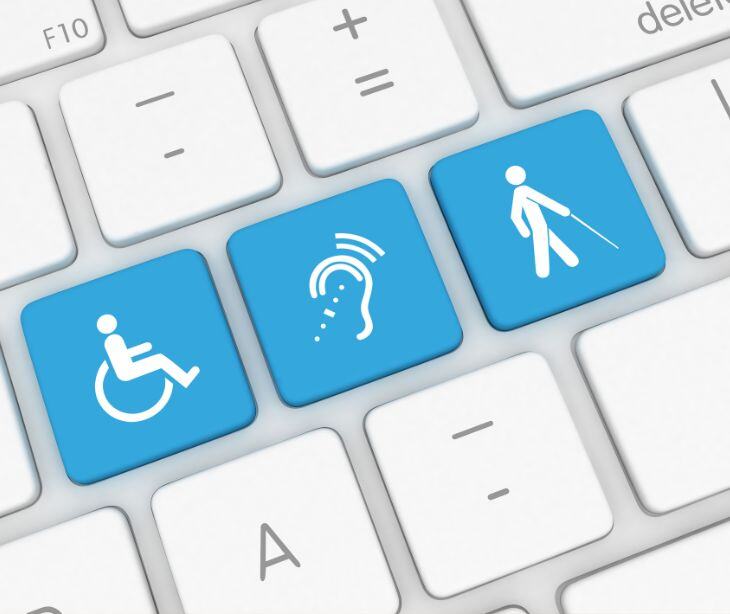
Physical accessibility is a central consideration in healthcare centers as inaccessible environments are barriers to effective patient care. By addressing the mobility, sensory, and other physical challenges that patients face, healthcare facilities transform into centers of inclusive and comprehensive care.
Defining physical accessibility
Physical accessibility is the ease individuals can reach, enter, and use spaces. In healthcare organizations, accessibility goes beyond structural elements like wide doorways, accessible parking, ramps, and elevators. True accessibility means healthcare environments are designed to be inclusive for all patients.
A 2021 BMC Health Services Research study states, “Accessibility of primary care includes several dimensions, such as geographical accessibility, affordability, accessibility of the accommodation, and timeliness and acceptability of services provided.” Factors like the location of facilities and the measures taken to provide medical care despite the barriers to care.
The barriers to physical accessibility
The location barriers
- Patients in rural areas face the reality of long travel distances to reach healthcare services.
- Dense urban settings often lack accessible parking spaces, making it hard for patients with mobility challenges.
- Older buildings lack structural requirements for disabled patients like ramps, elevators, or automatic doors.
- Some healthcare centers may not be easily accessible by public transport, especially for people relying on wheelchair accessible buses or trains.
The equipment barriers
- Standard tables that can’t be raised or lowered limit access for individuals who have difficulty transferring from a wheelchair.
- Older imaging equipment like MRI or CT scanners may not accommodate larger patients or those unable to lie flat.
- Standard scales often require patients to stand, which can be a barrier for individuals in wheelchairs or balance issues.
- Facilities may not provide hearing aids, sign language interpreters, or other tools for patients with hearing or vision impairments.
- Fixed diagnostic tools might not allow for proper positioning for patients with mobility impairments.
Using communication to bridge the gap to physical accessibility
Communication between providers and patients allows everyone to be aware of the accessibility of accessibility requirements. Here are the ways communication can be used to improve accessibility:
- Staff can use HIPAA compliant text messaging to inform patients about potential mobility support and assistance.
- Through email providers can share HIPAA compliant forms with sections that allow patients to share accessibility needs.
- If accessibility features like elevators or automatic doors are under repair use text messaging to inform patients ahead of time and provide a means to communicate if they require alternative support or wish to change the date of the appointment.
- Patients can use text messaging to request curbside services at hospitals or clinics to negate the need to navigate the interior of the building for larger facilities or those with limited accessibility measures.
- Providers can send instructions or virtual guides to help navigate complex or multi-building hospital campuses.
FAQs
What are solutions to sensory challenges patients face?
Quiet spaces, using visual aids, offering clear communication, and making use of assistive technologies.
Does HIPAA allow for ASL or language interpreters in treatment rooms?
Facilitate effective communication with patients who have hearing or language impairments.
Is there legislation governing accessibility in the U.S.?
The Americans with Disabilities Act (ADA) requires public facilities like hospitals to be accessible to individuals with disabilities.
