


.svg)
.svg)
.svg)
.svg)
.svg)
.svg)
.svg)
.svg)
.svg)
.svg)
.svg)
.svg)
.svg)
.svg)
.svg)
.svg)
.svg)
.svg)
.svg)
.svg)
.svg)

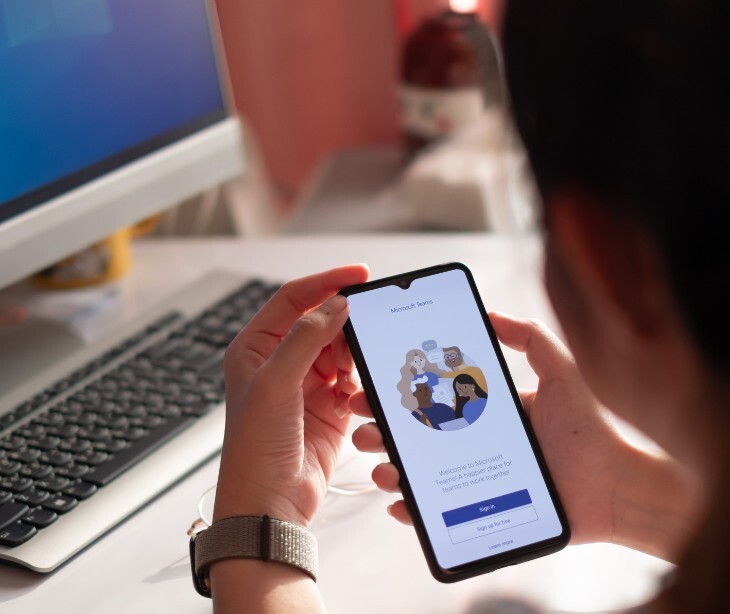
New research shows attackers continue to rely on Microsoft branding, with scams also expanding toward platforms used by younger audiences.
What happened
Microsoft became the most impersonated brand in phishing attacks during the final quarter of 2025, overtaking Facebook, according to new research. Reporting by Cybernews said the shift was observed as attackers increased activity around year end periods tied to account reviews, subscription renewals, online shopping, and job searches. Researchers found that phishing campaigns frequently used fake Microsoft login pages, billing notices, and security alerts designed to closely resemble legitimate communications.
Going deeper
Researchers noted that Microsoft’s position reflects the breadth of its ecosystem, which includes email, cloud storage, productivity tools, and enterprise services. A single compromised Microsoft account can provide access to inboxes, documents, and connected workplace systems, making it attractive to attackers. Phishing kits have also grown more capable, with many designed to capture session cookies and authentication tokens in addition to passwords. Data showed that impersonation campaigns were timed to periods when users were more likely to expect legitimate messages, such as during holiday shopping or subscription renewals, increasing the likelihood of engagement.
What was said
Researchers said that brand impersonation activity increased throughout Q4 2025 as attackers aligned campaigns with busy online periods. They reported that scammers targeted Microsoft, Facebook, Roblox, and McAfee through fake storefronts, delivery-themed messages, and job-related lures. Analysts also pointed out a rise in scams directed at platforms with younger user bases, noting that phishing pages impersonating Roblox often promise in-game rewards or warn of account issues to prompt credential entry.
In the know
Attackers concentrated on a small group of widely trusted platforms during the final quarter of the year. According to the research, the most frequently impersonated brands were:
- Microsoft
- Roblox
- McAfee
- Steam
- AT&T
- Amazon
- Yahoo
- Coinbase
Security researchers noted that these brands span workplace tools, social media, gaming, telecommunications, e-commerce, and cryptocurrency services. The spread reflects how phishing campaigns mirror everyday online activity, making fake messages harder for users to distinguish from legitimate ones.
The big picture
Brand impersonation remains one of the most effective phishing techniques because it relies on familiarity rather than technical exploitation. A 2024 report from the Anti-Phishing Working Group found that brand-based phishing accounted for the majority of credential theft campaigns worldwide, with cloud service providers and consumer platforms frequently abused. The report noted that attackers tailor campaigns to seasonal behavior and audience demographics, including younger users, to improve success rates.
FAQs
Why is Microsoft so frequently impersonated in phishing attacks?
Microsoft accounts often connect email, files, and workplace systems, which makes them valuable targets for credential theft.
What types of Microsoft-themed phishing messages are most common?
Fake security alerts, login prompts, billing notices, and account suspension warnings are commonly used.
Why are platforms like Roblox appearing more often in phishing campaigns?
Younger users may be less familiar with online threats, and parents interacting with gaming platforms may be more willing to provide payment details.
Do these attacks only target individuals?
No. Many campaigns are focused on employees and organizations because compromised accounts can be used for broader access.
How can users reduce their risk from brand impersonation scams?
They can avoid clicking links in unexpected messages, verify sender addresses carefully, use bookmarked sites for logins, and enable strong authentication on accounts.
