Edward Dubrovsky, a 54-year-old Canadian, was arrested in Pennsylvania on October 8 and faces extortion conspiracy charges in Texas.
What happened
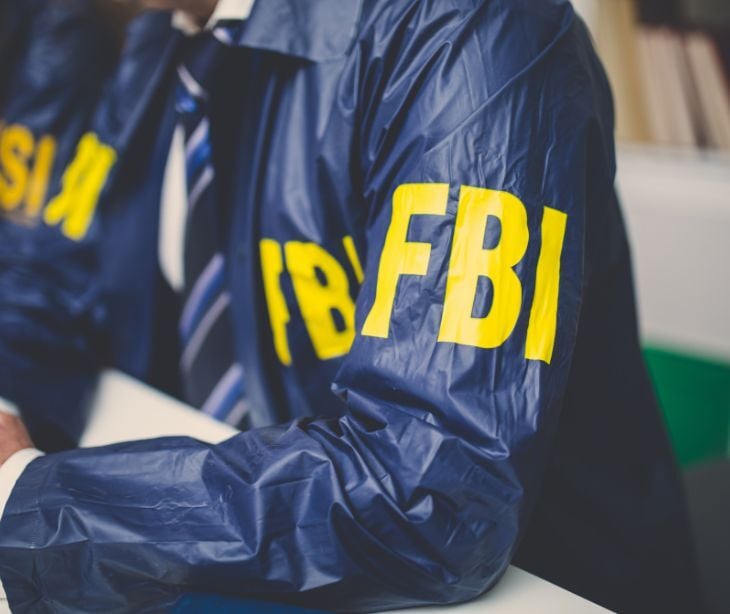
Federal agents arrested Edward Dubrovsky, a Canadian cybersecurity executive, in Pennsylvania on October 8, 2026, BleepingComputer reported. He has held senior roles at firms that help breach and ransomware victims negotiate with cybercriminals. He faces conspiracy to commit extortion charges. A court order on October 9 committed him to the Eastern District of Texas, where he remains detained pending a hearing, GBHackers reported. FBI Director Kash Patel said agents had arrested "another suspected co-conspirator" of ShinyHunters, without naming anyone. The FBI has not publicly confirmed Dubrovsky is that person. Multiple outlets have linked the two.
Going deeper
Dubrovsky was in Philadelphia for a cyber insurance conference, the Cyber Risk Summit, which ran from October 5 to 7. He is associated with CyberSteward, a Canadian firm specializing in ransomware negotiation and extortion response. He previously worked at Cypfer, another Canadian firm in the same field. Cypfer said on October 10 that he had served as managing director, not as a founder, and resigned in November 2025. The case appears connected to the ShinyHunters breach of an FBI jobs portal, which exposed personal data on thousands of bureau employees. Further court filings may show how prosecutors link his work to the group.
What was said
Canadians in the cybersecurity field told CBC News they were shocked to hear a prominent ransomware negotiator had been arrested, CBC reported on October 12. Reuters identified the suspect through sources familiar with the matter. Dubrovsky has not publicly commented on the charges.
In the know
ShinyHunters steals data and extorts victims without encrypting their systems. Its usual entry is a phone call to an employee, posing as IT support, to get a password reset or a new device enrolled. The FBI attributes more than $70 million in extortion proceeds to the group during 2026, according to reporting by KrebsOnSecurity cited by GBHackers. Its healthcare victims this year include McKesson, where Have I Been Pwned verified 6.4 million records, and Abbott's cancer diagnostics business, The Register reported. Dutch authorities arrested a 24-year-old suspected of affiliation with the group in September, CyberScoop reported.
The big picture
Healthcare reports more of this activity to the FBI than any other critical infrastructure sector, which is why arrests in this investigation matter to hospitals and their suppliers. The healthcare and public health sector reported 460 ransomware incidents and 182 data breaches to the FBI in 2025, according to the FBI Internet Crime Complaint Center's annual report. That was the highest total of all 16 sectors. Healthcare organizations often bring in outside firms during an incident, including negotiators, forensic investigators, and legal counsel. Those firms can end up handling patient data. A firm that creates, receives, or holds protected health information on a covered entity's behalf is a business associate under the Privacy Rule and needs a written agreement before any data changes hands. Setting that up before an incident is easier than doing it during one.
FAQs
What does a ransomware negotiator do?
They communicate with attackers on a victim's behalf, verify claims about stolen data, and negotiate over any demand. Many work through incident response firms or are arranged through a victim's cyber insurer.
Has Dubrovsky been convicted?
No. He has been charged and is detained pending a hearing. The charges are allegations until proven in court.
Why would ShinyHunters target the FBI?
The group has not stated a motive. Its known activity centers on stealing data and demanding payment not to release it.
Does an arrest stop the group's operations?
Usually not on its own. Extortion groups spread work across many people, and losing one member rarely shuts the operation down. Infrastructure seizures and multiple arrests tend to have more effect.
What should a healthcare organization check about its incident response providers?
Whether a business associate agreement is in place, what data the provider will be able to access, how that access ends after the incident, and whether the provider was vetted before being needed.