


.svg)
.svg)
.svg)
.svg)
.svg)
.svg)
.svg)
.svg)
.svg)
.svg)
.svg)
.svg)
.svg)
.svg)
.svg)
.svg)
.svg)
.svg)
.svg)
.svg)
.svg)

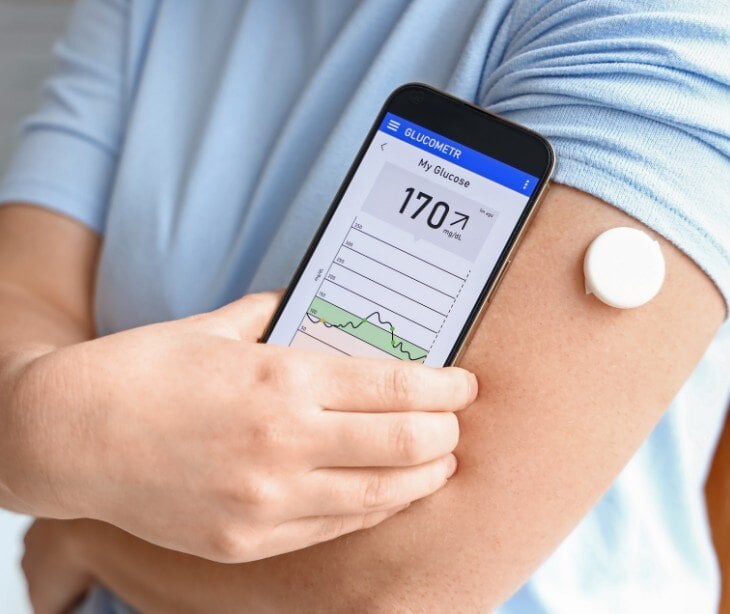
Remote patient monitoring (RPM) systems are healthcare tools designed to collect and transmit patient data from remote locations, like someone's home, to healthcare providers.
The rise of RPM systems
The ability to monitor patient's health from their own home is an increasingly popular telehealth option. During the COVID-19 pandemic, a study from Primary Care: Clinics in Office Practice, showed that 20% of visits were conducted via telehealth. While the numbers have decreased slightly, for many patients, especially those in rural locations or unable to travel, telehealth remains the best option.
RPM systems allow practitioners to monitor patient health even after they go home, enhancing convenience and decreasing healthcare expenses attributed to long hospital stays. For some patients, this is key to monitoring acute and chronic conditions, especially for those who risk further infection from traveling to the hospital.
Related: What is remote patient monitoring?
Components of an RPM system
- Devices and sensors: Devices collect health metrics such as heart rate, blood pressure, glucose levels, oxygen saturation, and more. Devices include wearable sensors, smart scales, glucometers, and blood pressure monitors.
- Data transmission: Data collected by the device is transmitted to healthcare providers using wireless technologies like Bluetooth, Wi-Fi, or cellular networks.
- Data storage and analysis: The transmitted data is stored on a secure cloud-based platform for analysis by healthcare providers. Advanced RPM systems may also incorporate artificial intelligence (AI) and machine learning (ML) algorithms to identify trends and alert providers to potential health issues.
- Healthcare provider interface: This is the platform or application where healthcare providers can review patient data, make clinical decisions, and communicate with patients.
- Patient interface: This often includes mobile apps or web portals where patients can view their health data, receive feedback, and communicate with healthcare providers.
See also: HIPAA Compliant Email: The Definitive Guide.
Types of RPM systems
RPM systems come in various forms, each tailored to monitor specific health conditions or parameters. Below are common types of RPM systems.
Cardiac monitoring systems
- Devices: Wearable ECG monitors, Holter monitors, and implantable loop recorders.
- Purpose: Monitor heart rate and rhythm, and detect arrhythmias.
- Use cases: Patients with heart disease, arrhythmias, and post-cardiac surgery monitoring.
Related: Enhancing cardiac rehabilitation monitoring with HIPAA compliant email
Blood pressure monitoring systems
- Devices: Automated blood pressure cuffs and wearable blood pressure monitors.
- Purpose: Track blood pressure levels over time.
- Use cases: Hypertension management and monitoring patients with cardiovascular risk.
Glucose monitoring Systems
- Devices: Continuous glucose monitors (CGMs) and glucometers.
- Purpose: Measure blood glucose levels continuously or at specific times.
- Use cases: Diabetes management and gestational diabetes.
Respiratory monitoring Systems
- Devices: Pulse oximeters, spirometers, and peak flow meters.
- Purpose: Measure oxygen saturation, lung function, and respiratory rate.
- Use cases: COPD, asthma, and sleep apnea.
Activity and fitness monitoring systems
- Devices: Fitness trackers and smartwatches.
- Purpose: Monitor physical activity, steps, and sleep patterns.
- Use cases: General health monitoring, rehabilitation, and chronic disease management.
Other common RPM systems include weight monitoring, medication adherence, mental health systems, chronic disease management systems, maternal monitoring, and post-surgical monitoring systems. For many conditions, the ability to monitor a patient from far away ensures continuous care and allows the patient to live comfortably.
See also: How to ensure HIPAA compliance when using RPM devices.
Benefits of RPM systems
- Improved patient outcomes: Continuous monitoring can help providers care for issues as they arise, leading to more timely interventions.
- Reduced hospitalizations: RPM can help manage chronic conditions more effectively, potentially reducing the need for emergency visits and hospital admissions.
- Cost savings: RPM can lower healthcare costs by reducing the need for in-person visits and hospitalizations.
- Enhanced patient engagement: Patients can take a more active role in managing their health by having access to their data and receiving regular feedback.
Challenges and considerations
- Data security and privacy: Ensuring the security and privacy of patient data is paramount; RPM systems must comply with regulations like the Health Insurance Portability and Accountability Act (HIPAA).
- Integration with EHRs: Effective RPM systems must integrate seamlessly with existing electronic health record (EHR) systems to provide a comprehensive view of patient health.
- Technology adoption: Training and support are critical to ensuring patients and providers feel comfortable using RPM technology.
FAQs
Can RPM systems replace in-person visits to the doctor?
While RPM systems enhance healthcare by providing continuous monitoring and early detection, they do not replace the need for in-person visits. In-person consultations with your healthcare provider are essential for comprehensive care.
What types of patient data are collected by RPM systems?
RPM systems collect data depending on the condition, including PHI like vital signs, blood glucose levels, weight, oxygen saturation levels, sleep patterns, and more.
How is patient data transmitted in an RPM system?
Data must be transmitted securely in an RPM system by ensuring that the data is encrypted, sent through secure communication channels, and only sent to authorized providers.
