


.svg)
.svg)
.svg)
.svg)
.svg)
.svg)
.svg)
.svg)
.svg)
.svg)
.svg)
.svg)
.svg)
.svg)
.svg)
.svg)
.svg)
.svg)
.svg)
.svg)
.svg)
.svg)

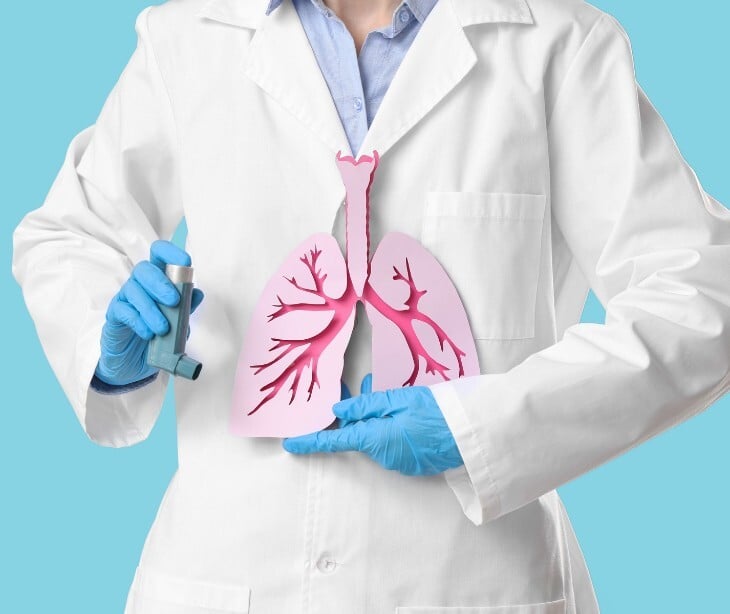
“Asthma is the most common chronic disease affecting children worldwide, with a global prevalence of approximately 10%,” explains a systematic review on the effectiveness of online asthma training programmes to improve asthma management among school staff.
Yet many school staff members lack adequate training to respond appropriately. At the same time, healthcare organizations and public health agencies must share health education digitally while protecting sensitive data. HIPAA compliant emails are the best solution for delivering asthma education resources and reinforcing training over time.
Why asthma education matters in schools
Children often depend on adults to manage their asthma symptoms, making teachers and school staff their caregivers during asthma episodes. However, the study notes persistent gaps in preparedness, stating “gaps in school staff’s knowledge and preparedness in managing asthma, leading to delays in treatment and increased risk during emergencies.”
Therefore, misunderstandings about symptoms, triggers, and medication use can result in poor outcomes for students.
While traditional in-person training programs can help, they are difficult to scale, “due to logistical and financial constraints, especially in rural or under-resourced settings.” These challenges have sparked interest in digital education tools, including online modules and remote learning environments.
What the research shows about online asthma training
The abovementioned systematic review evaluated eight studies conducted in the United States and Australia that tested online asthma training programs for school staff. More specifically, they used the Kirkpatrick evaluation model to examine the effectiveness of training and learning programs across four levels:
- Reaction
- Learning
- Behavior
- Results
Of these four levels, the authors report that “all eight included studies demonstrated positive outcomes at level 2 (learning),” where participants consistently improved their asthma knowledge after completing digital training.
In addition, some programs measured satisfaction with training. For example, in one intervention, “56% of participants expressed being very satisfied with the training,” while another found that “83% of participants… were very or somewhat satisfied with all aspects of the training.”
Consequently, the study found that “online asthma training programmes improve school staff’s knowledge and satisfaction, and appear to be as effective as face-to-face training.”
How HIPAA compliant emails can help
HIPAA states that covered entities, like healthcare organizations, must safeguard individuals’ electronic protected health information (PHI) during transmission and at rest. More specifically, these entities must use HIPAA compliant email solutions, like Paubox, when sending instructions or educational materials that reinforce continuous learning.
Although school nurses aren’t bound by HIPAA rules, the law may apply in specific situations when they provide healthcare services to students. In these cases, HIPAA compliant email secures communication containing PHI, like individualized asthma action plans or case-based examples, upholding federal privacy and security standards.
HIPAA compliant emails also allow providers to:
- Offer online asthma education: Providers can securely send weekly emails reviewing specific topics (e.g., recognising early asthma symptoms, avoiding triggers like dust or pollen, proper inhaler technique).
- Share evidence-based resources: Include instructional videos on how to use inhalers or spacers correctly with links to trusted guidelines such as national asthma management recommendations. Additionally, these providers can include printable asthma action plans or fact sheets for school staff and caregivers.
- Reinforce training after online training initial completion: Include short quizzes or scenario-based questions (e.g., “What should you do first if a child shows signs of respiratory distress?”). Providers can also include case studies to help translate knowledge into practical understanding.
- Support caregivers and school staff with reminders and updates: Send seasonal reminders for the start of pollen season and the increased asthma risks associated with it. School nurses could also notify caregivers of updates to a child’s asthma action plan.
Using email to reinforce knowledge
While “online asthma training programmes typically [last] for one hour,” secure email campaigns can extend learning over weeks or months, helping translate knowledge into routine behavior.
HIPAA compliant email allows educators to build structured follow-up campaigns. For example, if a scholar has an asthma attack at school, caregivers can receive an email with tips on how to manage asthma symptoms at home and reminders to update the child's action plan accordingly.
Furthermore, these emails should include information on asthma pathophysiology, symptom identification, medication use, and provision of first aid for asthma.” Email can break these topics into digestible segments, making it easier for caregivers to revisit the information over time.
Supporting confidence and self-efficacy
HIPAA compliant emails can also help increase the “school staff’s self-confidence or self-efficacy in managing asthma following the intervention.” For example, educators can receive emails with resources on how to recognize asthma triggers in the classroom and strategies for creating an asthma-friendly environment.
Since asthma education often involves personal information about students, secure email keeps their PHI protected during transmission and at rest. Furthermore, email solutions, like Paubox, allow providers to personalize these emails for tailored communication and updates.
Linking knowledge and practice
The systematic review also states that “none [of the studies included] evaluated longer-term behavioural or organisational outcomes, representing a critical evidence gap.” HIPAA compliant emails can directly address this gap between learning and action. Instead of treating training as a one-time event, organizations can use secure email to:
- Remind staff to review action plans.
- Prompt documentation of asthma incidents.
- Encourage reflection on practical scenarios.
Ultimately, supporting the transition from Kirkpatrick level 2 (learning) to level 3 (behavior), which the study identifies as missing from current research.
Cost-effective and scalable communication
Online training offers “broad accessibility, cost-effectiveness, standardised content delivery, and the flexibility of self-paced learning,” as evidenced by the systematic review on the effectiveness of online asthma training programmes.
HIPAA compliant email adds to these strengths. Once a compliant system is in place, educational campaigns can be sent to thousands of recipients, helping districts and health systems with limited budgets.
Since “online training programmes were not inferior to face-to-face training approaches,” if learning outcomes are comparable, then reinforcing them through secure email may further amplify impact at minimal additional cost.
Creating personalized email-based asthma education
The review suggests that not all digital formats are equally effective. More specifically, it found that programs that combined “videos, voice-over slides, quizzes, and scenario-based learning showed greater knowledge improvements.”
Therefore, HIPAA compliant emails must include:
- Links to short videos or interactive content.
- Quizzes or knowledge checks.
- Brief case scenarios.
These emails can include personalized patient education with information tailored to individual needs, preferences, and health circumstances. Providers can also use AI to analyze patient data, including medical history, demographics, and even behavioral patterns, to deliver customized educational content.
A recent article on Revolutionizing healthcare and the role of artificial intelligence in clinical practice states that “AI has the potential to play a significant role in patient education by providing personalized and interactive information and guidance to patients and their caregivers.”
For example, AI can track an asthma patient's progress and provide immediate feedback, making it easier for patients to understand and adhere to their treatment plans. This can improve patient outcomes and overall satisfaction with their healthcare experience.
Learn more: Personalized patient education, HIPAA, and AI
Addressing equity and access
HIPAA compliant emails must account for user equity and access. Using simple messages with mobile-friendly formatting and multilingual resources can help reach more individuals who could potentially benefit from these services. Secure email can also support parents and caregivers in extending asthma education into homes and communities.
For example, parents who may not speak English as their first language can receive important information about managing their child's asthma in a language they understand, leading to better outcomes for the child. Additionally, secure email allows caregivers to communicate with healthcare providers, so everyone involved can help manage the child's asthma.
Implications for healthcare and public health organizations
Healthcare organizations can combine asthma training models with secure email education strategies. For example, hospitals can email discharge education to families after a child's asthma-related hospitalization, giving them the necessary information and resources to manage the condition at home. Educational materials can help reduce readmission rates and improve overall health outcomes for children with asthma.
Clinics can send asthma management tips to caregivers, like creating an asthma action plan and recognizing early warning signs of an asthma attack, empowering families to take proactive steps in managing asthma and preventing exacerbations.
School health programs can distribute refresher materials to teachers, like how to administer rescue inhalers and what to do in case of an asthma emergency, so children are safe and supported in their learning environment.
Ultimately, educating caregivers and school staff via secure email can help create a comprehensive support system for children with asthma outside of the hospital setting.
FAQs
Can providers use standard email to share patient information?
No, providers must use a HIPAA compliant emailing platform, like Paubox, when sharing patient information. These platforms provide security features like encryption and two-factor authentication, preventing unauthorized access and potential data breaches.
Are HIPAA compliant emails secure?
Yes, HIPAA compliant emails are secure because they use encryption and other security measures to protect patients' protected health information (PHI) from unauthorized access or disclosure.
HIPAA compliant email solutions, like Paubox, enhance email security by maintaining federal regulations throughout the email transmission process and at rest, further safeguarding patient data from potential threats or breaches.
How can healthcare providers get patients' consent before sending HIPAA compliant emails?
Healthcare providers must obtain explicit permission from patients to communicate electronically and document their consent in their medical records.
Go deeper: How to get consent for texting and emailing patients
