


.svg)
.svg)
.svg)
.svg)
.svg)
.svg)
.svg)
.svg)
.svg)
.svg)
.svg)
.svg)
.svg)
.svg)
.svg)
.svg)
.svg)
.svg)
.svg)
.svg)
.svg)
.svg)

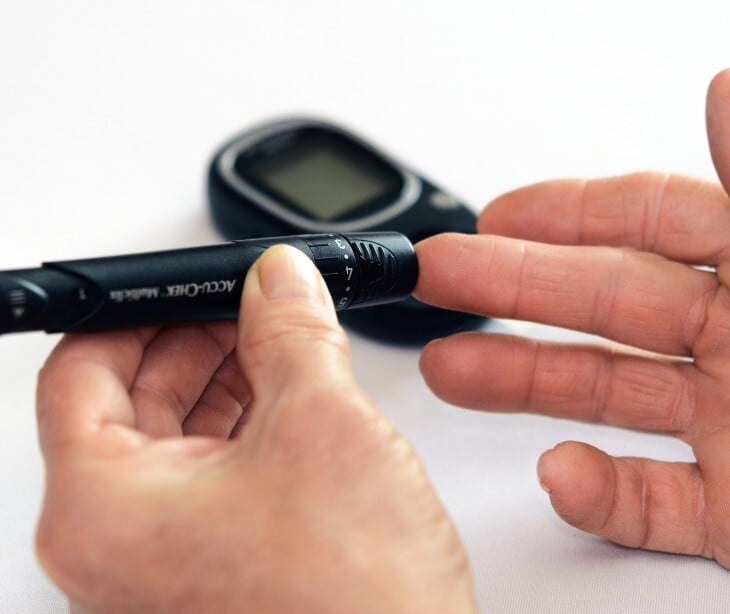
According to the CDC’s National Diabetes Statistics Report, an estimated 40.1 million people in the U.S. live with diagnosed or undiagnosed diabetes. Those estimates equate to approximately 12.0% of the U.S. population.
These individuals must regularly monitor their health and make informed lifestyle choices every day. Moreover, people with diabetes must receive ongoing education and support to prevent complications and improve their quality of life.
HIPAA compliant emails allow healthcare providers to securely give diabetic patients access to diabetes self-management education and support (DSMES). Combining evidence-based diabetes education with secure communication can help patients stay informed and empowered, improving their health outcomes.
Why diabetes self-management education matters
A research article on Diabetes Self-Management Education and Association with Diabetes Self-Care and Clinical Preventive Care Practices found that "individuals with diabetes are at risk for developing serious complications, including renal failure, vision impairment, blindness, lower extremity amputations, myocardial infarction, and stroke."
Preventing these complications requires consistent attention to daily self-care activities and adherence to recommended clinical preventive care practices. The study explains that “preventing these serious and costly complications requires lifestyle modification and consistent management of blood glucose, lipids, and blood pressure."
For many patients, education helps them understand their condition and develop healthy habits to manage their health. The researchers explain that diabetes care and education specialists and healthcare professionals can help individuals "achieve the necessary education, self-efficacy, and empowerment for effective diabetes self-management."
What is diabetes self-management education and support?
The study describes diabetes self-management education and support as an evidence-based approach that helps people successfully manage diabetes.
"Diabetes self-management education and support (DSMES) is an evidence-based patient-centered approach that provides the knowledge, skills, and abilities necessary for diabetes self-care and empowers individuals to sustain health-promoting behaviors that can prevent or delay diabetes complications and improve quality of life," the study explains.
Major healthcare organizations strongly support the use of DSMES, including the American Diabetes Association (ADA), the Association of Diabetes Care and Education Specialists (ADCES), and the Academy of Nutrition and Dietetics. They recommend that "all persons with diabetes receive DSMES services at the time of diagnosis and as needed thereafter."
DSMES has substantial benefits as evidenced by the research, citing "diabetes-related complications are 4 times more likely to develop in people who do not receive DSMES compared to those who do."
The diabetes education gap
The abovementioned research article found that "only half of adults with diabetes had ever received education on managing their diabetes." The study further adds, "The prevalence of adults with diabetes receiving diabetes education remains low."
If patients do not receive education, they may be less likely to follow recommended self-care behaviors and preventive care measures. The study identified several populations with particularly low participation rates, including uninsured individuals, people with lower educational attainment, rural residents, and some racial and ethnic minority groups.
The researchers also identified numerous barriers that may limit participation, including "lack of provider referral, geographic constraints to access such as living in rural areas, inconvenience related to time of services, language barriers, low health literacy, lack of cultural appropriateness in diabetes education, lack of transportation, or unwillingness to participate."
How HIPAA compliant email supports diabetes self-management
HIPAA compliant email can help healthcare organizations overcome many of the barriers that prevent patients from accessing diabetes education. Providers can securely send educational materials, care plans, reminders, and follow-up communications directly to patients with diabetes.
Since email is asynchronous, patients can review the information when it’s convenient for them, helping patients who have transportation challenges, work obligations, caregiving responsibilities, or limited access to specialty diabetes education programs.
More specifically, HIPAA compliant email can complement formal DSMES programs if it reinforces concepts between appointments, so patients stay engaged with their care plans.
Reinforcing self-care behaviors
The study found a strong relationship between diabetes education and recommended self-care behaviors. Researchers reported, "Those who received education had a higher predicted probability for following all 4 self-care practices." These practices included smoking abstention, daily glucose testing, daily foot checks, and leisure-time physical activity
HIPAA compliant email can support each of these behaviors through ongoing education and reminders. For example, healthcare providers can send secure educational emails explaining proper blood glucose monitoring techniques, provide foot care checklists, share exercise recommendations, or deliver smoking cessation resources tailored to the patient's needs.
Encouraging preventive care adherence
In addition to self-care behaviors, the study found that diabetes education was associated with improved adherence to preventive clinical care. The study found that "those who did receive diabetes education had a higher predicted probability for following all 6 clinical practices." These included pneumococcal vaccination, biannual A1C testing, annual dilated eye examinations, influenza vaccination, healthcare visits for diabetes management, and professional foot examinations
HIPAA compliant email can help providers remind patients about upcoming preventive care appointments, so patients can stay on track with recommended screenings and vaccinations.
Supporting A1C monitoring and glycemic control
"The present results indicate that 81% of adults who participated in diabetes education followed biannual A1C testing recommendations, compared to 71% among those who did not receive education,” the abovementioned study explains.
Therefore, "Frequent A1C testing and tight glycemic control are critical because poor glycemic control is one of the strongest predictors of disease progression and development of diabetes complications."
As such, healthcare providers must use HIPAA compliant emails to send patients reminders when they are due for testing, provide educational content about A1C monitoring, and deliver follow-up information after laboratory results become available.
For example, if a patient's results show an increase in A1C levels, the healthcare provider can promptly schedule a follow-up appointment to discuss potential treatment adjustments to help prevent further progression of the disease.
Expanding access to underserved populations
Since lower participation rates are found among individuals who are uninsured, living in rural communities, and members of certain racial and ethnic minority groups, we need “education to be individualized and culturally and linguistically appropriate in addition to designing material at the appropriate literacy level."
HIPAA compliant email can support more equitable access to education as it allows healthcare organizations to distribute culturally appropriate materials in multiple languages and literacy levels. These emails can be tailored to specific patient populations, so educational content is relevant and understandable.
Supporting telehealth and remote diabetes education
The study also discusses the potential benefits of technology-based approaches for expanding access to diabetes education. According to the researchers, "The use of innovative telemedicine methods could enable cost-effective delivery of diabetes education and present opportunities to expand education."
Providers can use secure email solutions, like Paubox, to share follow-up instructions after visits, provide links to virtual diabetes education sessions, and maintain ongoing communication between encounters. These emails can be especially useful for patients in rural areas with limited access to diabetes specialists.
Improving engagement between visits
HIPAA compliant emails are proven to maintain engagement in patients managing chronic diseases. If a patient leaves the hospital informed but loses momentum over time, regular emails from their providers can help them keep up with diabetes management.
Secure email can also include tailored educational newsletters, medication reminders, healthy lifestyle tips, preventive care alerts, and self-management resources. Continuous engagement also supports the study's findings that education is associated with better adherence to recommended care practices.
For example, patients who receive regular emails with personalized information about their condition are more likely to adhere to their medication regimen and make healthier lifestyle choices.
Using email to increase diabetes education participation
The study concludes that increasing access to diabetes education should be a priority since "increasing receipt of diabetes education may improve diabetes-related preventive care."
They further note that "promoting the importance of diabetes education among health care professionals and developing strategies to improve referral mechanisms and access and utilization may be particularly important strategies."
Ultimately, healthcare providers can use Paubox email to promote DSMES enrolment, send educational materials, deliver appointment reminders, encourage preventive screenings, reinforce self-management behaviors, and share personalized care recommendations.
FAQs
Do providers need patient consent for HIPAA compliant emails?
Yes, a provider must get explicit patient consent before sharing their PHI through HIPAA compliant emails.
Learn more: A HIPAA consent form template that's easy to share
Are standard emails secure for discussing sensitive healthcare information?
No, standard emails do not provide the necessary encryption to protect sensitive healthcare information from potential breaches. So, providers must use a HIPAA compliant email platform, like Paubox, to safeguard patients' protected health information (PHI) during transmission and at rest.
Can AI be integrated into HIPAA compliant emails?
Yes, AI-powered features can be integrated with HIPAA compliant emailing platforms, like Paubox, to automate processes like patient consent management and send personalized emails while maintaining HIPAA compliance.
Read also: Support the HHS's AI strategic plan with HIPAA compliant email
