


.svg)
.svg)
.svg)
.svg)
.svg)
.svg)
.svg)
.svg)
.svg)
.svg)
.svg)
.svg)
.svg)
.svg)
.svg)
.svg)
.svg)
.svg)
.svg)
.svg)
.svg)

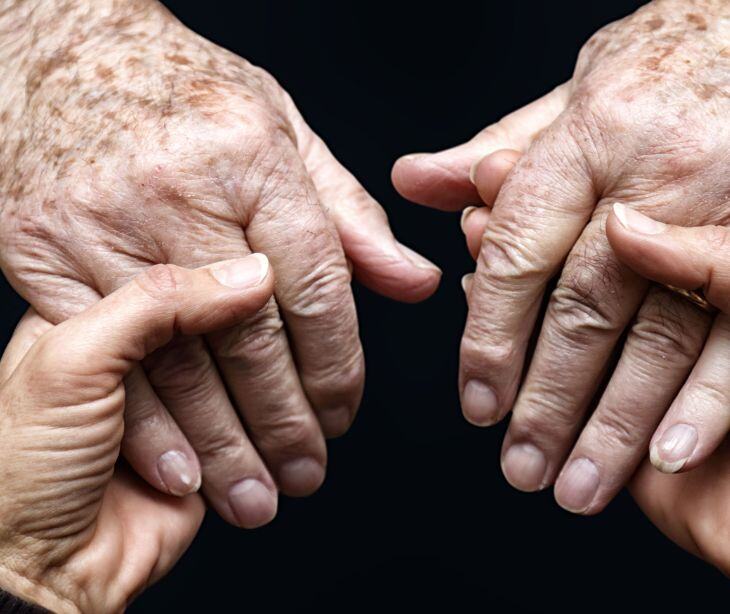
In the scope of end-of-life care, healthcare providers are the drivers behind the education and care of patients during a difficult time. The use of automated messaging allows for constant communication with patients and their families. The consideration of ethics within the protocols for this form of messaging extends this consistent care to cater to the emotional needs of patients.
The use of automated text messaging in patient and family support
The advantage of automated HIPAA compliant text messaging lies in its ability to schedule messages and provide real-time updates to multiple patients simultaneously. A JAMA Network Open study also provides, “Text messaging has also been associated with higher rates of engagement compared with calls.”
In especially sensitive situations like end-of-life care, this technology offers a way to deliver necessary educational information to both patients and their families without the weight of administrative burden on healthcare workers. It, therefore, also lends itself to helping families maintain a connection with healthcare providers during a challenging time.
The ethical principles guiding messaging in end-of-life care
A study on the ethics in palliative care provides that, “EoL is a very difficult period for patients and their families. Patients in the EoL period should be provided palliative care (PC) services that will increase their quality of life, so their families.” As a part of this care is consistent communication, it is necessary for healthcare providers to take into account the ethical considerations for patient care.
These considerations include:
- Respect patients and their families' autonomy to make decisions about treatment and care. Automated messages should provide clear accessible information based on patient preferences.
- Obtain explicit consent before sending automated messages or any messages for that matter. Patients and their caretakers should be aware of the content and purpose of the communication.
- Uphold nonmaleficence by providing carefully crafted and appropriate messages to ensure patients are not caused emotional distress or harm.
- Create messaging content that upholds beneficence by remaining helpful, timely, and compassionate.
- Make sure access to messaging and care remains equitable so that all patients regardless of socioeconomic backgrounds receive equal care.
- Strive for compassionate and empathetic communication that maintains the dignity of patients and their loved ones.
How can providers ensure automated text messaging used to provide family support remains ethical?
How to ensure autonomy
- Before starting any messaging service, get informed consent from patients that explains how the service works, its purpose, and what types of information will be communicated.
- Allow families to decide the frequency and content topics of messages to suit their needs. Ensure that they can also easily opt out of messages.
Creating messages that cause no harm
- Make sure that the content of messages is compassionate and sensitive avoiding triggering language.
- Use phrasing that acknowledges the emotional challenges families face and avoid sending messages at inappropriate times.
- Consult mental health professionals and test messaging prior to implementation in palliative care.
Promoting equity in messaging
- Providers should offer alternative forms of communication for families who do not have access or have no preference for text messaging.
- This could include the use of HIPAA compliant email services like the Paubox Email suite or calling patients and their families.
FAQs
How long are patient medical records kept after they die?
For five to ten years after a patient's death, it can vary based on jurisdiction or facility policy.
Can consent be withdrawn even if it is not necessary (like consent to use PHI for treatment purposes)?
Yes, patients or their representatives can withdraw consent but certain uses of protected health information (PHI) like for treatment purposes may still be allowed without consent.
What is a depersonalization risk when it comes to automated messaging?
Depersonalization risk refers to the danger that automated messages may feel impersonal or robotic.
