


.svg)
.svg)
.svg)
.svg)
.svg)
.svg)
.svg)
.svg)
.svg)
.svg)
.svg)
.svg)
.svg)
.svg)
.svg)
.svg)
.svg)
.svg)
.svg)
.svg)
.svg)
.svg)

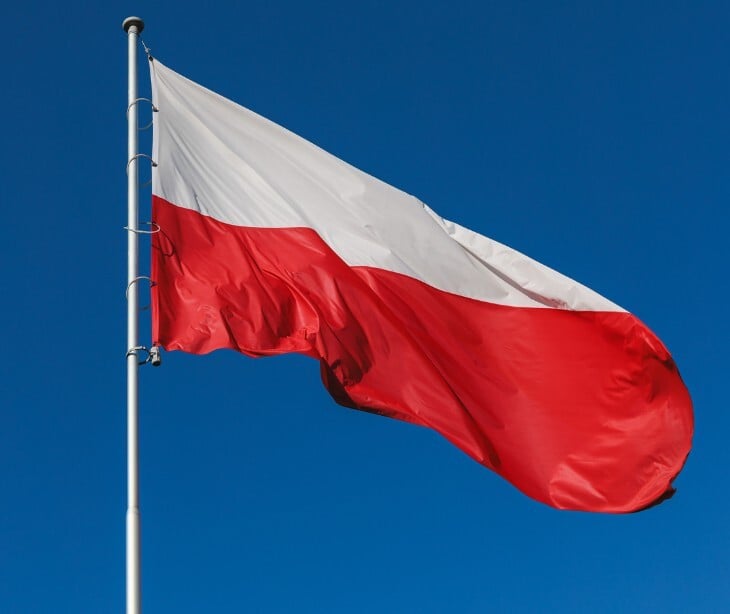
Authorities say the arrest is part of an international effort targeting the infrastructure and affiliates behind the long-running ransomware group.
What happened
Polish authorities arrested a 47-year-old man in the Małopolska region suspected of links to the Phobos ransomware group, seizing computers and mobile phones believed to contain stolen login credentials, passwords, credit card details, and server access information. According to BleepingComputer, officers from Poland’s Central Bureau of Cybercrime Control carried out the arrest as part of Operation Aether, an international law enforcement effort supported by Europol. Investigators supervised by the District Prosecutor’s Office in Gliwice said the seized devices held data capable of enabling unauthorized system access and supporting ransomware attacks, and determined the suspect had used encrypted messaging applications to communicate with members of the cybercrime group. The suspect is now facing charges under Article 269b of Poland’s Criminal Code for producing and distributing hacking tools, an offense which carries a maximum prison sentence of five years if convicted.
Going deeper
Operation Aether targeted multiple parts of the Phobos ransomware operation, including infrastructure operators and affiliates involved in breaching networks and encrypting victim data. Phobos functions as a ransomware as a service scheme, in which core developers create and maintain the malware while affiliates carry out attacks and deploy the ransomware. Ransomware encryption refers to malware that locks files using cryptographic methods so victims cannot access their data unless a payment is made. Authorities linked Phobos ransomware to numerous global attacks over several years, and enforcement actions under Operation Aether have included server seizures, arrests of affiliates in Thailand and Italy, and the extradition of an alleged administrator to the United States.
What was said
Poland’s Central Bureau of Cybercrime Control said investigators recovered data capable of supporting cyberattacks, warning that the seized materials “could be used to carry out various attacks, including ransomware,” and contained information that could “break electronic security.” Authorities also said the 47 year old suspect allegedly communicated with the Phobos ransomware group through encrypted messaging platforms. In a related statement tied to the Europol-coordinated Operation Aether, Europol confirmed that international law enforcement actions allowed investigators to warn more than 400 companies worldwide about ongoing or imminent ransomware attacks, as part of coordinated global action targeting Phobos operators and affiliates.
In the know
Phobos ransomware is a long running ransomware operation derived from the Crysis ransomware strain that has continued operating at scale while attracting less attention than larger ransomware groups. In February 2024, U.S. authorities warned the malware was disrupting state, local, tribal, and territorial government operations and generating millions in ransom payments, typically through demands under $100,000. An indictment against alleged operator Dmitry Ptitsyn later revealed the breadth of the campaign, linking attacks to multiple public and private sector victims, including a California public school system that paid $300,000, several healthcare organizations that paid between $20,000 and $37,000 and several other organizations that either paid smaller ransoms or refused payment.
The big picture
Ransomware operations such as Phobos ransomware operate under a ransomware as a service model, where malware developers provide the tools while affiliated attackers carry out intrusions, allowing campaigns to scale across industries and regions. According to the U.S. Department of Justice, actors linked to Phobos were connected to breaches affecting more than 1,000 public and private organizations worldwide, generating over $16 million in ransom payments. Authorities said previous charges and extraditions targeting suspected administrators form part of a strategy aimed at disrupting ransomware systems by dismantling infrastructure, pursuing affiliates, and limiting the operational reach of organized cybercrime networks rather than addressing isolated attacks.
FAQs
What is ransomware as a service?
Ransomware as a service is a criminal model in which core operators develop and maintain ransomware tools while affiliates conduct intrusions and share ransom proceeds with the developers.
What charges does the suspect face in Poland?
The suspect faces charges under Article 269b of Poland’s Criminal Code for producing, acquiring, and distributing computer programs intended to unlawfully obtain information from IT systems, which carries a potential prison sentence of up to five years.
How significant is Phobos compared to other ransomware groups?
Although less visible in media coverage than some major ransomware brands, Phobos has been widely distributed and linked to attacks affecting hundreds of organizations worldwide.
What is Operation Aether?
Operation Aether is a coordinated international law enforcement effort targeting individuals, infrastructure, and affiliates connected to the Phobos ransomware network.
How does law enforcement disrupt ransomware networks?
Authorities typically combine arrests, server seizures, extraditions, intelligence sharing, and victim notifications to weaken infrastructure and reduce the group’s ability to conduct future attacks.
