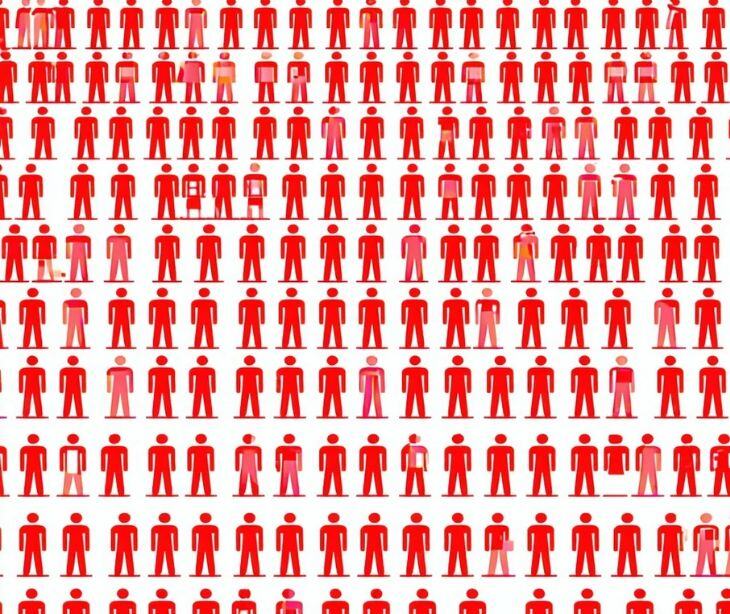
A Dallas mental health provider is notifying clients after an employee improperly emailed patient information to a personal account.
What happened
Metrocare Services, a major provider of mental health and developmental disability services in Dallas County, has reported an impermissible disclosure involving approximately 8,600 patients. According to NBC 5 Dallas, an employee sent an encrypted email from a work account to a personal email address on September 9, 2025, and the message was later shared on an unauthorized network. The email contained protected health information including names, medical record numbers, appointment times, treating clinicians, and details about service dates, duration, and cost. Metrocare said it worked with the employee to delete the message from the personal account and found no evidence that anyone else accessed the data.
Going deeper
The incident proves the risks that arise when staff circumvent approved communication channels, even when encrypted email is used. Emails sent to personal accounts fall outside organizational security controls, and once data leaves the managed environment, forensic review becomes much more difficult.
What was said
Metrocare said the event was taken seriously because it involved information entrusted to the organization by patients seeking mental health and developmental disability services. The provider stated that it thoroughly investigated the disclosure, confirmed deletion of the email from the personal account and its trash folder, and found no indication that the information was misused. Leadership reiterated that only the employee involved had legitimate access to the data. Metrocare also noted its part as the largest mental health service provider in Dallas County, serving more than fifty thousand individuals each year, and said it is reviewing internal policies and training to improve safeguards.
The big picture
Paubox’s small-business security report notes that HIPAA violations tied to unencrypted or misdirected email can force healthcare organizations into “substantial financial penalties and compliance overhauls.” Many of these incidents stem from preventable, internal mistakes rather than sophisticated attacks. The report also cites research from the Carnegie Mellon University Software Engineering Institute, which found that “more than half of insider fraud incidents within the healthcare sector involve the theft of customer data.” That pattern reinforces how vulnerable patient information becomes when security depends on manual processes, inconsistent email practices, or employees with broad access to PHI.
FAQs
Why is emailing protected health information to a personal account considered a violation?
Personal accounts fall outside monitored and secured systems, and organisations cannot ensure appropriate protection, logging, or deletion of information once it leaves the controlled environment.
Did the disclosure involve financial or Social Security data?
Metrocare reported that the email contained names, medical record information, clinician names, appointment details, and service cost information. It did not report the inclusion of Social Security numbers or payment card data.
Does the incident qualify as a reportable breach under HIPAA?
Yes. Even without evidence of misuse, the transmission of protected health information to an unapproved destination requires assessment under HIPAA’s breach notification rule and typically results in patient notification.
What steps can providers take to reduce similar incidents?
They can restrict forwarding of emails, block external auto forwarding, enforce data loss prevention policies, require secure messaging platforms, and reinforce training on appropriate communication methods.
What risks do patients face after an incident like this?
The risk is generally lower when data is not broadly exposed, but disclosed information can still reveal patterns of care or treatment details. Patients should remain alert to unfamiliar communications that reference their appointments or providers.

.svg)
.svg)
.svg)
.svg)
.svg)
.svg)
.svg)
.svg)
.svg)
.svg)
.svg)
.svg)
.svg)
.svg)
.svg)
.svg)
.svg)
.svg)
.svg)
.svg)
.svg)

 Farah Amod