


.svg)
.svg)
.svg)
.svg)
.svg)
.svg)
.svg)
.svg)
.svg)
.svg)
.svg)
.svg)
.svg)
.svg)
.svg)
.svg)
.svg)
.svg)
.svg)
.svg)
.svg)
.svg)

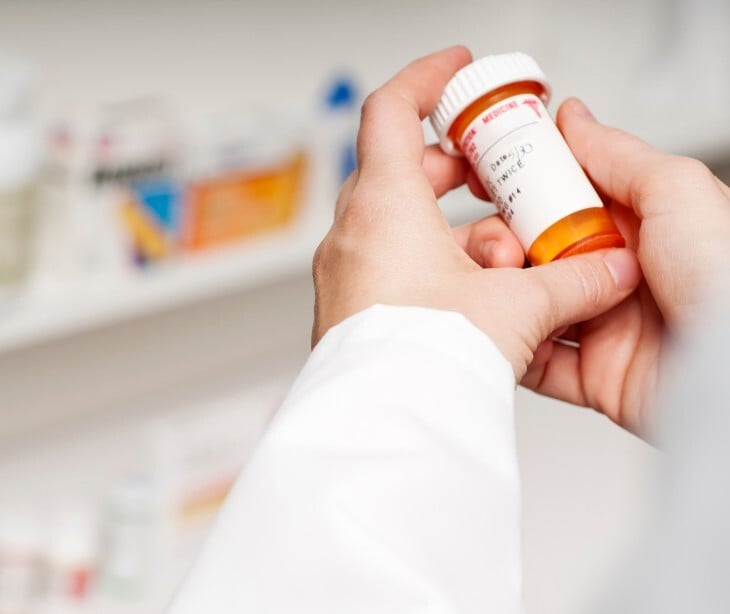
Despite a 25% decline in overdose deaths from 2024 to 2025, “Opioid overdose deaths remain alarmingly high” with more than 140 per day, according to The Lancet Regional Health.
To further reduce opioid overdose deaths, collaboration among pharmacists and doctors must improve, particularly in prescribing practices, patient education, and ongoing monitoring.
As stated in a research study on Communication between pharmacists and primary care physicians in the midst of a U.S. opioid crisis, “Effective communication between prescribers of opioids and community pharmacists can contribute to maximizing appropriate pain management and reducing opioid misuse and diversion.”
Furthermore, “Improved communication between prescribers and pharmacists could be an important step in reducing opioid misuse and diversion and improving public health.”
Communication between pharmacists and prescribers
Pharmacists are the last point of contact before a patient receives medication. However, the abovementioned research study shows that communication between pharmacists and prescribers is often limited or inconsistent.
More specifically, the study states that “direct communication between prescribers and pharmacists was difficult to facilitate, which resulted in use of more indirect forms of communication involving intermediaries, e.g., nurses.” This communication gap may result in misinterpretation, delayed intervention, and increased risk of misuse.
Common barriers to effective communication
Perceived hierarchy within healthcare
Many pharmacists expressed hesitancy in questioning a physician’s judgment due to "commonly held beliefs of both pharmacists and physicians about the respective roles of each in providing patient care."
Moreover, the study found that the content of communication usually centers around dosing, timing of prescriptions, and "evidence of potential misuse/diversion." While these conversations are needed, pharmacists often avoid addressing uncomfortable topics, like challenging prescriber decisions, which can delay interventions that protect patients.
Lacking direct communication lines
Direct person-to-person communication is usually the most effective but is often impractical, especially when prescribers and pharmacists are not co-located. The research study observed that "close physical proximity between [prescribing physicians] and dispensing pharmacists contributed to more positive and useful communication, especially when the clinics and pharmacies were part of the same healthcare system."
How HIPAA compliant emails can help
Upholding federal law
HIPAA compliant email solutions, like Paubox, provide a secure platform for sending patients’ protected health information (PHI). It uses advanced encryption to encode messages during transmission and at rest to prevent unauthorized access.
Paubox email also requires user authentication and maintains audit trails, helping HIPAA-covered entities, like pharmacists and physicians, uphold federal regulations and avoid costly HIPAA fines.
Efficiency and accessibility
Pharmacists can use HIPAA compliant emails to communicate with prescribers quickly, without the delays inherent in phone calls. These messages can include detailed patient histories, prescription clarifications, and any concerns regarding misuse or potential diversion. It ultimately eliminates communication intermediaries (e.g., nurses or administrative staff), allowing faster and more direct exchanges.
Documentation and accountability
Paubox email automatically keeps a documented communication trail. Every email can be archived, so decisions are recorded and easily retrievable for audits or case reviews. It also improves transparency as "higher levels of trust and personal relationships appear to enhance communication."
For example, if a conflict arises regarding a patient's opioid therapy, having a documented communication trail can help resolve the issue, improving patient outcomes and overall care coordination.
Reducing miscommunication
Many prescription-related errors occur due to unclear instructions or a lack of clarification. Secure email communication can help reduce these prescription errors. More specifically, HIPAA compliant emails allow pharmacists to attach supporting documents, dosage charts, or patient-specific information, so prescribers have all the details they need to make informed decisions.
It also supports the study’s observation that "when communication was focused on relaying information about a patient and/or clarifying questions around the prescription, it appeared positive for both parties."
Flexibility across locations
Secure email solutions remove the barrier of physical proximity, which the study identifies as a factor that improves communication. It allows pharmacists and prescribers to communicate regardless of location, encouraging collaboration that supports the same benefits as co-located teams.
Improving interprofessional relationships
The quality of communication between prescribers and pharmacists is influenced by logistics and interpersonal dynamics. The research indicates that "difficult or uncomfortable conversations, such as those centering on pharmacists questioning prescriber behavior, were often avoided."
HIPAA compliant emails can help buffer these discussions, making them less confrontational. Pharmacists can raise their prescription concerns in a professional, written format without undermining their relationships with prescribers.
In addition, these emails can be used to share educational resources, guidelines, and updates on best practices. It also reinforces teamwork and continuous professionalism, so pharmacists and prescribers can share their knowledge and objectives.
Using secure emails for opioid management
Prescription clarifications
As evidenced in the research study, "Communication usually centers on questions of dosing, timing of the prescription." Therefore, pharmacists can request clarifications on dosage, timing, or drug selection.
For instance, if a pharmacist wants to double-check a patient's prescribed dosage of OxyContin, they can quickly send an email to the prescribing provider for clarification. This communication process helps prevent medication errors and improve patient safety.
Monitoring potential misuse
Pharmacists can flag suspicious prescription patterns, like when a patient requests early refills or multiple prescriptions for the same medication from different providers. They can then monitor these potential signs of misuse and share supporting data with prescribers, helping prevent drug diversion and abuse.
Shared decision-making
HIPAA compliant emails can facilitate collaboration between prescribers and pharmacists working on care plans for patients requiring long-term opioid therapy. Emails allow for nuanced discussions that may not be possible in a brief phone call.
For example, prescribers can provide extra information about a patient's medical history and treatment preferences, while pharmacists can explain potential drug interactions, offering alternative therapies. Here, collaboration can lead to more personalized and effective care for patients with chronic pain.
Integrating monitoring programs
Secure emails can complement Prescription Drug Monitoring Programs (PDMPs), allowing pharmacists and prescribers to discuss findings for safe prescribing.
Like when a patient's PDMP report shows potential abuse of controlled substances, HIPAA compliant emails allow prescribers and pharmacists to develop a plan for addressing the issue. This integration could simultaneously improve coordination of care and help prevent adverse outcomes related to prescription drug misuse.
Education and updates
Paubox email can be used to share new CDC guidelines, such as opioid prescribing recommendations or updates on drug recalls. It helps healthcare providers stay informed and make evidence-based decisions when prescribing medications.
Additionally, educational emails can provide resources for continuing education on topics like pain management and addiction treatment.
How to overcome implementation challenges
HIPAA compliance training
Prescribers and pharmacists must be trained on how to use secure email systems and understand the basics of encryption, authentication, and secure attachments. HIPAA compliant solutions, like Paubox, do not require extensive training as it automatically encrypts all outgoing messages and attachments, making them the easiest solution.
Workflow integration
HIPAA compliant email systems must be integrated into existing electronic health records (EHRs) or pharmacy management software to prevent duplication of work. It also keeps important updates easily accessible to healthcare providers at the point of care, ultimately reducing the risk of errors associated with outdated information.
Response protocols
Prescribers, including pain specialists, primary care physicians, and pharmacists, must have set response time expectations to prioritize urgent communications and avoid unnecessary delays that could affect patient care.
Privacy and compliance audits
HIPAA-covered organizations may be randomly selected for the OCR’s audit program. While there isn’t a set frequency for these audits, regular internal audits should be conducted to find potential areas of improvement before an external audit occurs. It also gives organizations an opportunity to address any security gaps and avoid potential HIPAA violations.
The way forward for pharmacist-physician communication
Secure email technology also supports broader innovations in healthcare communication. For example, telepharmacy collaboration can help remote pharmacies to communicate with prescribers, expanding access to care in underserved areas.
In addition, automated alerts can be built into email systems to notify prescribers of potential drug interactions or unusual prescription patterns, thereby enhancing patient safety. Over time, secure email archives can also be used for data analytics, so healthcare organizations can identify trends, measure communication effectiveness, and refine protocols to improve patient outcomes.
Moreover, "Physician and pharmacist communication around opioids can be mutually beneficial," and HIPAA compliant emails can facilitate this collaboration on a larger scale.
FAQs
Who is required to comply with HIPAA regulations?
HIPAA regulations apply to healthcare providers, health plans, healthcare clearinghouses, and their business associates who handle protected health information (PHI).
Go deeper: Who needs to be HIPAA compliant?
What is considered protected health information (PHI) under HIPAA?
PHI includes any identifiable health information, like medical history, test results, treatment information, and health insurance information.
Are HIPAA compliant emails secure?
Yes, HIPAA compliant emails are secure because they use encryption and other security measures to protect patients' protected health information (PHI) from unauthorized access or disclosure.
Additionally, using platforms like Paubox enhances email security and maintains HIPAA compliance throughout the email transmission process and at rest, further safeguarding patient data from potential threats or breaches.
