


.svg)
.svg)
.svg)
.svg)
.svg)
.svg)
.svg)
.svg)
.svg)
.svg)
.svg)
.svg)
.svg)
.svg)
.svg)
.svg)
.svg)
.svg)
.svg)
.svg)
.svg)
.svg)

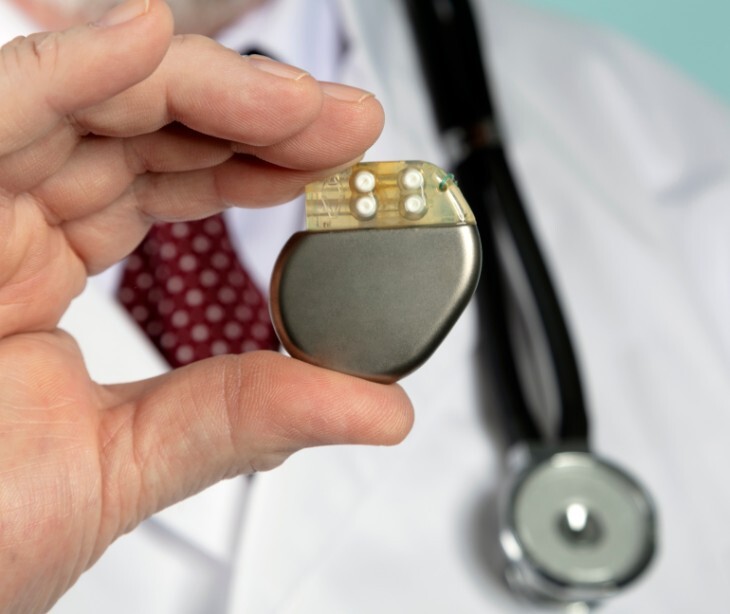
Managed security service providers (MSSPs) add even more value in environments packed with connected and IoT-based medical devices. They secure device communication pathways, block unauthorized access, and support security testing, patch planning, and compensating controls when patches are unavailable.
An article found in the Biomedical Instrumentation & Technology notes, “Medical devices are becoming more advanced, relying on the Internet, hospital IT networks, and mobile devices to function properly and share information. Focusing on the security of these types of devices to maintain device efficacy and ultimately patient safety is becoming increasingly important.” That reality captures why MSSPs are now part of modern device security teams.
Given how directly medical device security ties to patient safety, their involvement helps providers defend against ransomware, tampering, and data breaches. These threats can compromise both clinical operations and patient outcomes. They do all this without disrupting clinical workflows or limiting device usability.
Taken together, MSSPs bring a layer of cybersecurity expertise that helps healthcare organizations manage medical device risks in a structured, comprehensive way. Their support strengthens compliance, protects patient safety, and preserves institutional trust, giving healthcare organizations the confidence that their most necessary devices remain secure.
Common threats targeting connected medical devices
One of the biggest problems lies in the devices’ own software and firmware. These systems often contain weaknesses that make it possible for attackers to gain unauthorized access or even take control of systems. Infusion pumps, pacemakers, and imaging equipment have all been shown to be vulnerable to manipulation, sometimes in ways that can alter treatment delivery or interfere with how clinicians monitor a patient.
A growing body of research makes the stakes clear. The study ‘Cybersecurity vulnerabilities in medical devices: a complex environment and multifaceted problem’ stated, “The increased connectivity to existing computer networks has exposed medical devices to cybersecurity vulnerabilities from which they were previously shielded.” The shift in how devices operate and their exposure has fundamentally changed the risk landscape in healthcare.
As more devices rely on hospital networks, Wi-Fi, and cloud services, the attack surface expands dramatically. Remote hacking, malware, denial-of-service attacks, and ransomware all become real possibilities, and any of these can knock a device offline or corrupt its data. When that happens, patient care can be delayed or derailed entirely. Weak authentication and outdated encryption only add to the problem, making it easier for attackers to intercept sensitive information or move laterally through a hospital’s network once they gain a foothold.
Complex supply chains mean that devices sometimes include components with hidden flaws or counterfeit parts that introduce new risks. Misconfigurations and insider misuse can also break device functionality or expose protected health information without anyone noticing. Because today’s healthcare systems depend on thousands of interconnected devices, a single compromised asset can quickly become a launch point for broader network attacks.
Why healthcare struggles to secure medical devices
Many medical devices still rely on legacy software, and those older systems often carry years’ worth of unpatched vulnerabilities. Adding security controls isn’t always straightforward either. Device manufacturers have historically prioritized clinical performance and patient safety, which means cybersecurity features or changes are often limited without risking device reliability.
One review ‘Cybersecurity in Healthcare: New Threat to Patient Safety’ captured this tension clearly, noting that “the rise of interconnected systems, electronic health records (EHRs), and Internet of things (IoT) devices has made safeguarding patient data and healthcare processes increasingly complex,” and stressing that cybersecurity must now be treated as an ethical responsibility rather than an optional technical upgrade.
The sheer variety and volume of devices, from infusion pumps and pacemakers to imaging systems, adds another layer of complexity. Keeping track of inventory, monitoring behavior, and applying patches becomes a massive operational challenge. Strategies like network isolation can help reduce risk, but they also limit interoperability and slow down innovation. All of these factors contribute to a fragmented security environment where vulnerabilities persist longer than they should, even when patient safety is on the line.
What MSSPs bring to medical device security
MSSPs bring specialized expertise and round-the-clock protection that most healthcare organizations simply don’t have in-house. They begin by assessing the full landscape of device vulnerabilities, taking into account the unique operational constraints that make traditional IT security approaches difficult to apply in clinical settings. With that foundation, MSSPs help hospitals build risk-based security programs that strengthen protection without interfering with patient care or device performance.
The Biomedical Instrumentation & Technology study states, “During the last several years, a realization has occurred among healthcare technology management (HTM) teams that cybersecurity events can disrupt medical devices and directly affect patient care and safety.” That recognition underscores why healthcare organizations increasingly lean on external expertise to close gaps their internal teams cannot adequately cover.
Their continuous monitoring and threat detection capabilities give healthcare teams visibility into attacks that target connected devices. When something suspicious happens, MSSPs can act quickly to contain the threat, reduce downtime, and prevent disruptions to clinical services. They also support regulatory compliance by aligning security practices with HIPAA requirements, FDA cybersecurity expectations, and broader industry standards.
MSSPs also often get involved even before a device is deployed. They review security documentation from manufacturers, flag weaknesses, and help organizations make informed procurement decisions so that only secure, well-designed devices enter the network. Beyond the technical work, MSSPs help coordinate governance by bringing clinical, IT, biomedical, and administrative teams together around device risks, patching strategies, and lifecycle management. This coordinated approach ensures that security stays consistent and effective long after the device is installed.
Considerations when selecting an MSSP for medical device security
- Choose an MSSP with proven experience in healthcare and medical device environments.
- Make sure they understand clinical workflows and won’t disrupt patient care.
- Confirm that they can support FDA, HIPAA, and industry cybersecurity requirements.
- Check whether they offer real-time monitoring and medical-device-specific threat detection.
- Ensure they can work with legacy devices and equipment that cannot be easily patched.
- Ask if they provide support for device procurement reviews and manufacturer security documentation.
- Look for an MSSP that integrates biomed, IT, and clinical teams into one coordinated process.
- Verify that they use passive, non-disruptive monitoring tools designed for medical devices.
- Review their incident response capabilities, including response speed and escalation paths.
- Confirm their ability to manage vulnerability prioritization for devices with long life cycles.
- Make sure they can tailor risk assessments to your specific device inventory.
- Evaluate their reporting quality, including actionable insights and clear remediation guidance.
- Check their experience with network segmentation and medical device isolation strategies.
- Confirm that their services scale as device inventory grows.
- Review their track record with other hospitals or health systems through references.
See also: HIPAA Compliant Email: The Definitive Guide (2025 Update)
FAQs
Why do healthcare organizations use MSSPs?
Healthcare organizations use MSSPs to fill security skill gaps and gain continuous protection against cyber threats.
How do MSSPs support medical device security?
MSSPs monitor connected devices, identify vulnerabilities, and help prevent attacks that could disrupt patient care.
Do MSSPs replace internal IT or cybersecurity teams?
No, MSSPs complement internal teams by providing additional expertise and 24/7 monitoring.
How do MSSPs detect threats?
MSSPs use advanced analytics, telemetry, and real-time monitoring to identify suspicious activity.
