


.svg)
.svg)
.svg)
.svg)
.svg)
.svg)
.svg)
.svg)
.svg)
.svg)
.svg)
.svg)
.svg)
.svg)
.svg)
.svg)
.svg)
.svg)
.svg)
.svg)
.svg)
.svg)

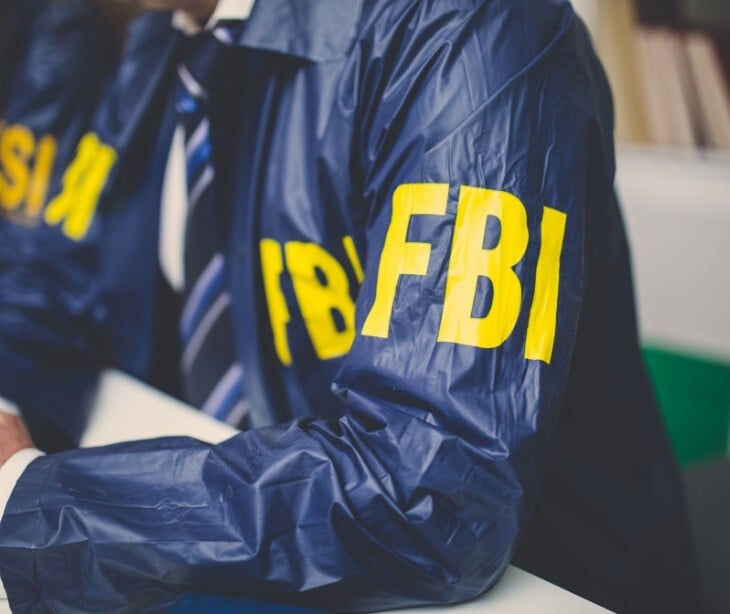
The Federal Bureau of Investigation has issued a warning urging users to be cautious when using Chinese-developed mobile apps, citing risks that sensitive personal data could be collected, stored overseas, and potentially accessed by foreign authorities.
What happened
According to an article published by the Bleeping Computer, the U.S. Federal Bureau of Investigation (FBI) has issued a public warning urging users to be cautious when downloading and using mobile applications developed by Chinese companies, citing serious data security and privacy risks.
The warning comes amid growing concerns that these apps may expose sensitive user data to foreign governments.
Going deeper
According to the FBI, mobile apps developed in China may be subject to the country’s national security laws, which can compel companies to provide user data to the government if requested.
The agency warned that these apps can collect extensive personal information, including:
- Contact lists (names, phone numbers, emails)
- Location and device data
- User IDs and behavioral data
In some cases, data collection may continue even when apps are not actively in use, particularly if users grant broad permissions. Additionally, some apps store user data on servers located in China, often for undefined periods.
The FBI also noted that certain apps may require users to accept extensive data-sharing policies to function, limiting user choice and transparency.
What was said
In its Public Service Announcement, the FBI warned that users need to be cautious about the level of access granted to mobile apps, stating that “users should be aware of what user data these apps request access to upon download.” The agency stressed that once permissions are granted, data collection can extend far beyond what users might expect, noting, “The app can persistently collect data and users’ private information throughout the device.”
It also raised concerns about contact-sharing features, warning that “this permission gives the apps access to a host of personal information belonging to both users and non-users.”
To demonstrate the risks around data storage, the FBI added that some apps “state that the collected data is stored on servers located in China for as long as the developers deem necessary.” Additionally, the agency further cautioned that certain apps may go beyond declared functionality, stating they “may also contain malware that could collect data beyond what is authorized by the user.”
The FBI urged users to adopt safer practices, including limiting permissions and downloading apps only from trusted sources.
Why it matters
According to Statista, China has over 970 million smartphone users and “one of the largest app markets worldwide,” producing millions of apps for both domestic and global use. Statista also notes that there are more than 2.6 million apps available in China, showcasing the vast scale at which Chinese developers operate. Even users outside China are likely interacting with Chinese-developed apps regularly.
Using Chinese apps could lead to the unauthorized sharing of sensitive medical data, and if these platforms are governed by foreign data laws, patient information might be at risk.
Potential impacts include:
- Patient privacy concerns if sensitive health data is accessed or shared
- Regulatory challenges around cross-border data storage
- Clinical risks if compromised apps affect health monitoring or decision-making
See also: HIPAA Compliant Email: The Definitive Guide (2026 Update)
FAQS
What kind of data can these apps collect?
These apps may collect a wide range of information, including contact lists, location data, device identifiers, browsing behavior, and potentially other personal or sensitive information depending on the permissions granted.
Are all Chinese mobile apps unsafe?
No, not all apps are inherently unsafe. However, the FBI is urging users to be cautious, review app permissions carefully, and understand how their data may be used or stored.
What should individuals look for before downloading an app?
Check the developer’s background, read the privacy policy, review permissions requested, and be cautious if an app asks for access that doesn’t match its function.
How can people protect their data when using mobile apps?
Risk can be reduced by:
- Downloading apps only from trusted app stores
- Reviewing permissions before installing
- Limiting access to contacts, location, and files
- Regularly updating apps and device.
