


.svg)
.svg)
.svg)
.svg)
.svg)
.svg)
.svg)
.svg)
.svg)
.svg)
.svg)
.svg)
.svg)
.svg)
.svg)
.svg)
.svg)
.svg)
.svg)
.svg)
.svg)
.svg)

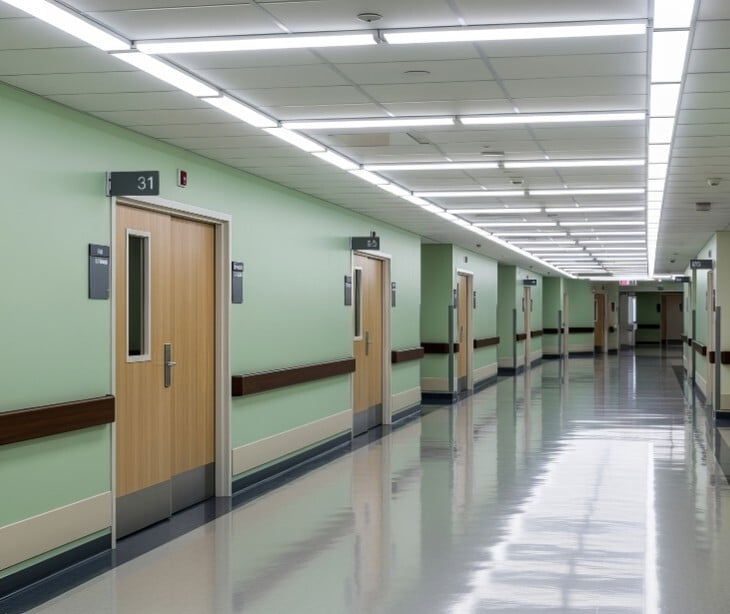
A cyberattack has disrupted operations at Signature Healthcare Brockton Hospital, forcing staff to take critical systems offline and divert ambulances while emergency response protocols were activated.
What happened
According to National Today, a cyberattack has struck Signature Healthcare Brockton Hospital, forcing the facility to shut down important digital systems and divert ambulances to nearby hospitals. The incident was first detected on April 6, 2026, after suspicious activity was identified within the hospital’s network.
Going deeper
The cyberattack caused widespread disruption to the operations of the hospital, leading to:
- Ambulances being diverted due to limited access to critical systems
- Chemotherapy treatments for cancer patients being temporarily canceled
- Retail pharmacies unable to dispense medication
Despite the disruption, inpatient and walk-in emergency services remained operational, and scheduled surgeries continued, though often with delays.
What was said
“Upon identifying suspicious activity within a portion of our network, we immediately activated our incident response protocols,” said Signature Healthcare. “We moved to down-time procedures to ensure high-quality patient care and safety. We are working with outside resources to help us investigate the incident and restore operations as quickly as possible.”
In their latest update, Signature Healthcare noted that they’d be “unable to accommodate special meal requests for patients without dietary restrictions.” The team also noted:
- Lab work and tests will be performed but may be delayed
- They are currently unable to fulfill requests for medical records
- The cafeteria can only accept cash.
The bigger picture
Under the HIPAA Security Rule, incident response is part and core of administrative safeguards. It ensures that healthcare organizations are equipped to respond swiftly and effectively in the event of system compromises. As the regulation states, healthcare entities must “implement policies and procedures to address security incidents… identify and respond to suspected or known security incidents… mitigate harmful effects… and document security incidents and their outcomes.” It further requires organizations to be prepared for system disruptions, noting that they must “establish and implement procedures for responding to emergencies… including plans for backing up ePHI, restoring lost data, and continuing critical business processes… while operating in emergency mode.”
This is exactly what was seen at Signature Healthcare Brockton Hospital, where the hospital immediately activated its incident response protocols following the cyberattack. By shifting to downtime procedures and maintaining essential services, the hospital demonstrated compliance with HIPAA regulations.
Why it matters
The incident at Brockton shows that healthcare systems are increasingly vulnerable to cyberattacks and that these attacks can directly disrupt patient care. As National Today states, “Cybersecurity attacks on healthcare facilities can have serious consequences, disrupting critical patient care and potentially exposing sensitive medical data. This incident highlights the ongoing threat hospitals face and the importance of robust cybersecurity measures to protect against such attacks.”
See also: HIPAA Compliant Email: The Definitive Guide (2026 Update)
FAQS
Was patient data stolen?
As of now, there has been no confirmation that patient data was accessed or stolen. Investigations are still ongoing.
Why is an incident response plan important in healthcare?
It helps hospitals quickly contain cyber threats, protect patient data, and continue providing care even when systems are compromised.
