


.svg)
.svg)
.svg)
.svg)
.svg)
.svg)
.svg)
.svg)
.svg)
.svg)
.svg)
.svg)
.svg)
.svg)
.svg)
.svg)
.svg)
.svg)
.svg)
.svg)
.svg)

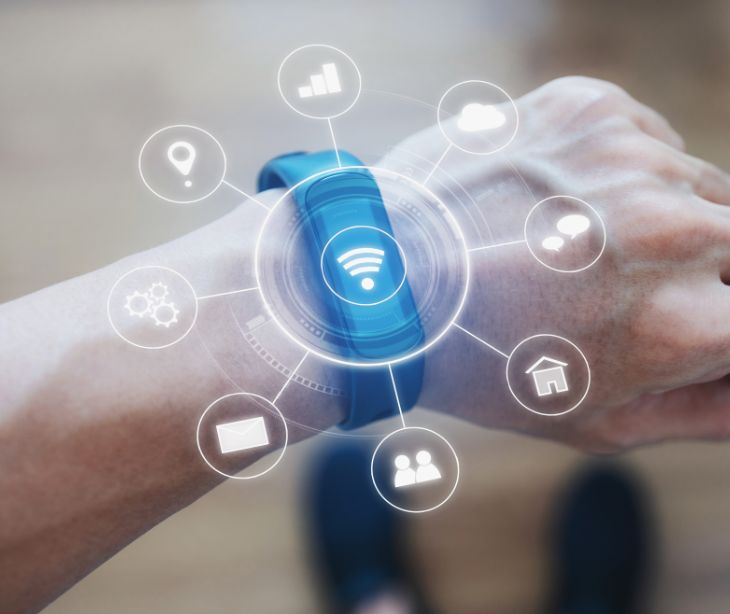
Wearable devices gather health metrics such as physical activity, sleep patterns, and heart rate. From fitness trackers to smartwatches, they provide continuous monitoring, offering insights into patients' daily behaviors and overall health status. Healthcare providers can attain a comprehensive view of patients' health when this data is shared with them, enabling personalized care. A recent analysis of healthcare wearable devices published by the National Library of Medicine found that "Wearable devices are becoming an increasingly popular platform for healthcare services, particularly given the increasing interest in health, well-being, disease prevention, and fitness, as well as the paradigm shift toward healthcare that is personalized and controlled by individuals". That ultimately leads to improved patient outcomes.
The intersection of HIPAA and wearable device data sharing
HIPAA regulates covered entities, such as healthcare providers, health plans, and healthcare clearinghouses. It requires them to protect patients' PHI. When a covered entity accesses data from wearables for treatment, payment, or healthcare operations, it may be considered PHI. In such cases, HIPAA mandates that the entity obtains authorization for data collection, ensures security and privacy measures, and provides patients access to their data and options for correcting it. However, HIPAA does not cover all wearable data collection, creating potential differences in privacy policies between device manufacturers and app developers. The intersection of HIPAA and wearable data occurs when such data is accessed by a covered entity, triggering HIPAA's protections for health information.
Read more: HIPAA compliance in wearable devices
The benefits of integrating HIPAA compliant email with wearable device data sharing
- Improved communication and care coordination: Secure email promotes seamless communication among healthcare providers and patients, enhancing collaboration and ensuring access to the latest health data. By sharing wearable data reports, healthcare teams can make informed decisions and tailor treatment plans to individual needs.
- Enhanced patient engagement: HIPAA compliant email enables patients to receive personalized wearable data reports directly, empowering them to actively engage in their healthcare management. Patients can track their progress, set goals, and communicate with healthcare providers, leading to improved health outcomes and patient satisfaction.
- Streamlined remote monitoring: Secure email facilitates the remote transmission of wearable data, allowing healthcare providers to monitor patients' health status from a distance. This is particularly valuable for patients with chronic conditions, as timely interventions can prevent complications and improve overall health.
- Increased efficiency: HIPAA compliant email eliminates the need for traditional methods like faxing or mailing, streamlining communication and saving time for patients and healthcare providers. With instant access to wearable data reports, healthcare teams can make quicker decisions, resulting in more efficient care delivery.
Security considerations
- Data breaches: Email systems are vulnerable to hacking attempts. Robust encryption and access controls can mitigate the risk of data breaches and protect patient information.
- Accidental disclosures: Human error can lead to accidental disclosures of sensitive patient data. Recent research has found that at least 85% of data breaches in organizations are attributable to individual mistakes. Training healthcare professionals on secure email practices can minimize this risk and ensure compliance with HIPAA regulations.
- Limited features: Some email solutions may lack advanced features found in dedicated wearable data management platforms. However, by prioritizing security and simplicity, healthcare organizations can still effectively use email for wearable data sharing.
FAQs
Can wearable device data be shared via regular email in healthcare settings?
Sharing wearable device data via regular email may pose security risks and not comply with HIPAA regulations. Healthcare organizations should use HIPAA compliant email systems for secure data transmission.
Must patients be notified if their wearable device data is shared with healthcare providers under HIPAA?
Patients have the right to be informed if their wearable device data is shared with healthcare providers and may need to provide authorization for its use in compliance with HIPAA regulations.
What are the limitations to the types of wearable device data that can be shared via email?
While HIPAA does not specifically limit the types of wearable device data that can be shared via email, healthcare providers should ensure that only necessary and relevant data is shared and that appropriate security measures are in place to protect patient privacy.
